06
NOV
2026
Sri Lanka Wildlife from January to March: What to See and Where to Go
Read Article
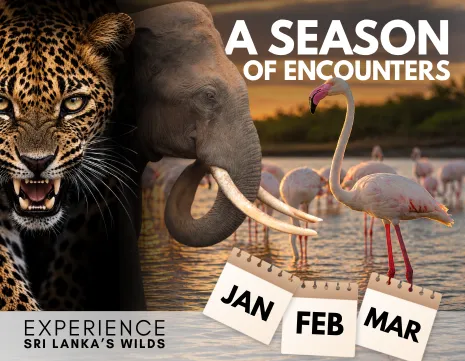
From leopards in the forests of Wilpattu to wild elephant herds in the Cultural Triangle, whales off the southern coast and wintering migratory birds, discover why the first three months of the year are an exciting time to explore Sri Lanka’s wildlife.
Sri Lanka may be a relatively small island, but few destinations offer such an extraordinary diversity of wildlife experiences within easy reach of one another. Here, travellers can search for leopards in ancient forests, observe wild elephants roaming through open grasslands, venture into the Indian Ocean in search of blue whales, and explore rainforests alive with birds found nowhere else on Earth.
January, February and March are particularly rewarding months for a wildlife holiday in Sri Lanka. They coincide with seasonal opportunities for whale and dolphin watching, the presence of wintering migratory birds, and wildlife encounters across the island’s national parks and wilderness areas.
For wildlife enthusiasts and photographers alike, however, a successful journey is about more than visiting the right destinations. Understanding seasonal animal movements, habitats and changing conditions can make all the difference.
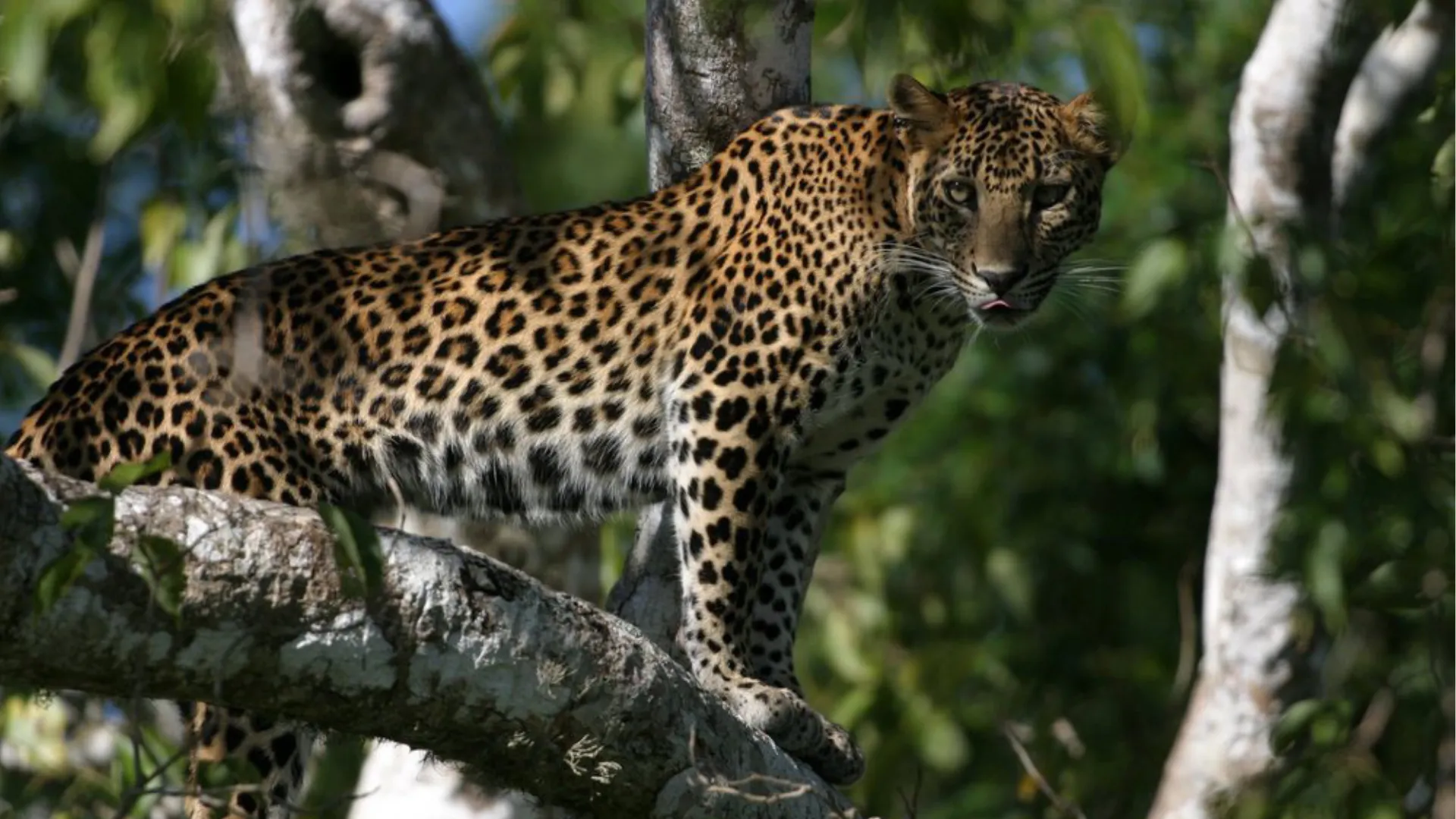
For many wildlife travellers, encountering a Sri Lankan leopard (Panthera pardus kotiya) in the wild is a dream.
Leopards inhabit several of Sri Lanka’s national parks throughout the year, including Wilpattu, Kumana and Yala. While sightings are possible in all three parks during January through March, their elusive nature means that patience, timing and a little luck remain essential.
Wilpattu National Park, in northwestern Sri Lanka, is particularly compelling. Its extensive forests are interspersed with natural, often rain-fed lake basins known as villus, creating a distinctive landscape in which leopards, sloth bears, deer, crocodiles and a remarkable diversity of birdlife coexist.
As conditions become drier, wildlife may make greater use of persistent water sources, potentially creating opportunities for sightings around accessible villus and forest tracks.
In southeastern Sri Lanka, Kumana National Park offers another fascinating setting for leopard watching, with its combination of dry-zone forests, wetlands and open scrubland. Kumana is also particularly rewarding for photographers interested in capturing a wider range of wildlife rather than concentrating exclusively on big cats.
Yala remains another established destination for leopard watching, although its popularity can sometimes lead to considerable safari traffic around sightings.
At Jetwing Eco Holidays, we place particular value on allowing wildlife encounters to unfold naturally. Understanding animal behaviour, recognising signs of movement and choosing appropriate viewing positions can often be more rewarding than simply racing towards a reported sighting.
For photographers, a leopard resting beneath a forest canopy or moving through a clearing can produce an extraordinary image, particularly when the animal is photographed within its natural surroundings.
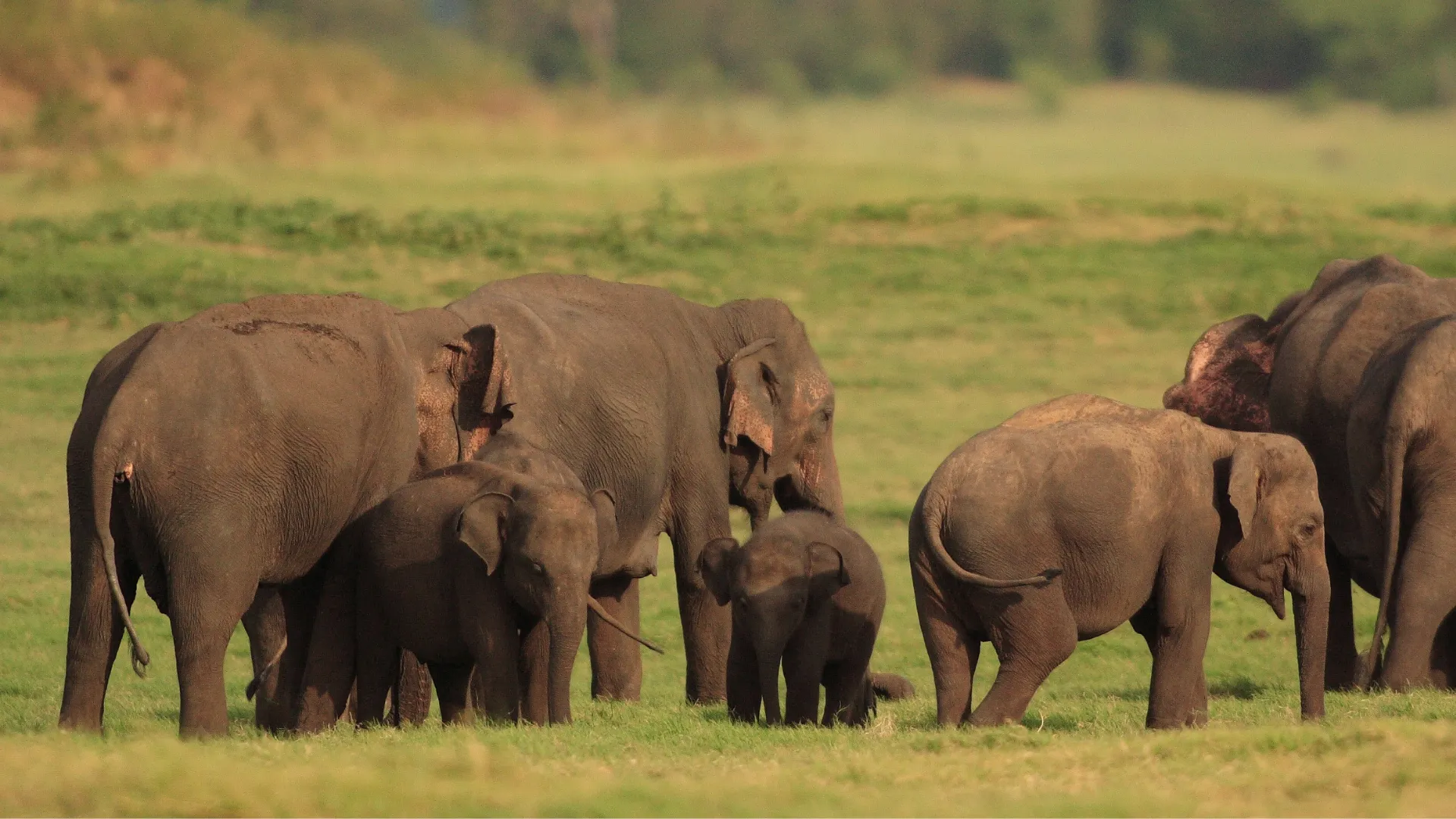
Few experiences capture the magic of Sri Lanka’s wilderness quite like watching a herd of wild Asian elephants (Elephas maximus).
From playful calves and closely bonded family groups to elephants bathing in reservoirs or showering themselves with dust, there is an extraordinary range of natural behaviour to observe.
And for fortunate visitors, the imposing presence of a mature tusker can be an unforgettable sight.
While the famous elephant Gathering at Minneriya is a remarkable seasonal phenomenon, Sri Lanka’s elephant-watching experiences extend far beyond this celebrated event.
The forests, grasslands and reservoirs around Habarana, Sigiriya and Dambulla form part of a connected landscape through which wild elephants move throughout the year.
Different family groups move between habitats according to rainfall, water levels and the availability of food. Consequently, the most rewarding location for an elephant safari can change considerably during the season.
This is where local knowledge becomes invaluable.
At Jetwing Eco Holidays, our longstanding relationships with rural communities in the Cultural Triangle allow us to gather recent information about elephant movements. Rather than committing guests to a particular national park months in advance, we use these local insights to help determine the most suitable location for an elephant encounter, often making that decision on the day of the safari.
The region also offers opportunities for responsible elephant observation in suitable habitats outside national park boundaries, where access is permitted and encounters can be conducted safely.
For wildlife photographers, we place particular emphasis on lighting, positioning and allowing enough time to observe natural behaviour. Whenever possible, we favour quieter locations away from the busiest safari circuits, creating opportunities to photograph elephants without the pressure of crowded sightings.
Further south, Udawalawe National Park provides another rewarding elephant-watching experience. Its open grasslands and reservoir landscapes are especially appealing for observing family groups and capturing elephants within their natural environment.
Learn more about our commitment to responsible elephant watching in Jetwing Eco Holidays & the Future of Responsible Elephant Safaris.
Sri Lanka’s wildlife encounters are not confined to land. The waters surrounding the island support an extraordinary diversity of marine mammals.
Between January and March, two coastal destinations are particularly appealing.
The southern coast, particularly the waters offshore from Mirissa, offers opportunities to encounter blue whales (Balaenoptera musculus) during the established whale-watching season.
Seeing the largest animal ever known to have lived rising to the surface to breathe is an experience unlike any terrestrial wildlife encounter.
Although sightings are never guaranteed, the season provides opportunities to observe these magnificent mammals, alongside occasional encounters with other cetacean species.
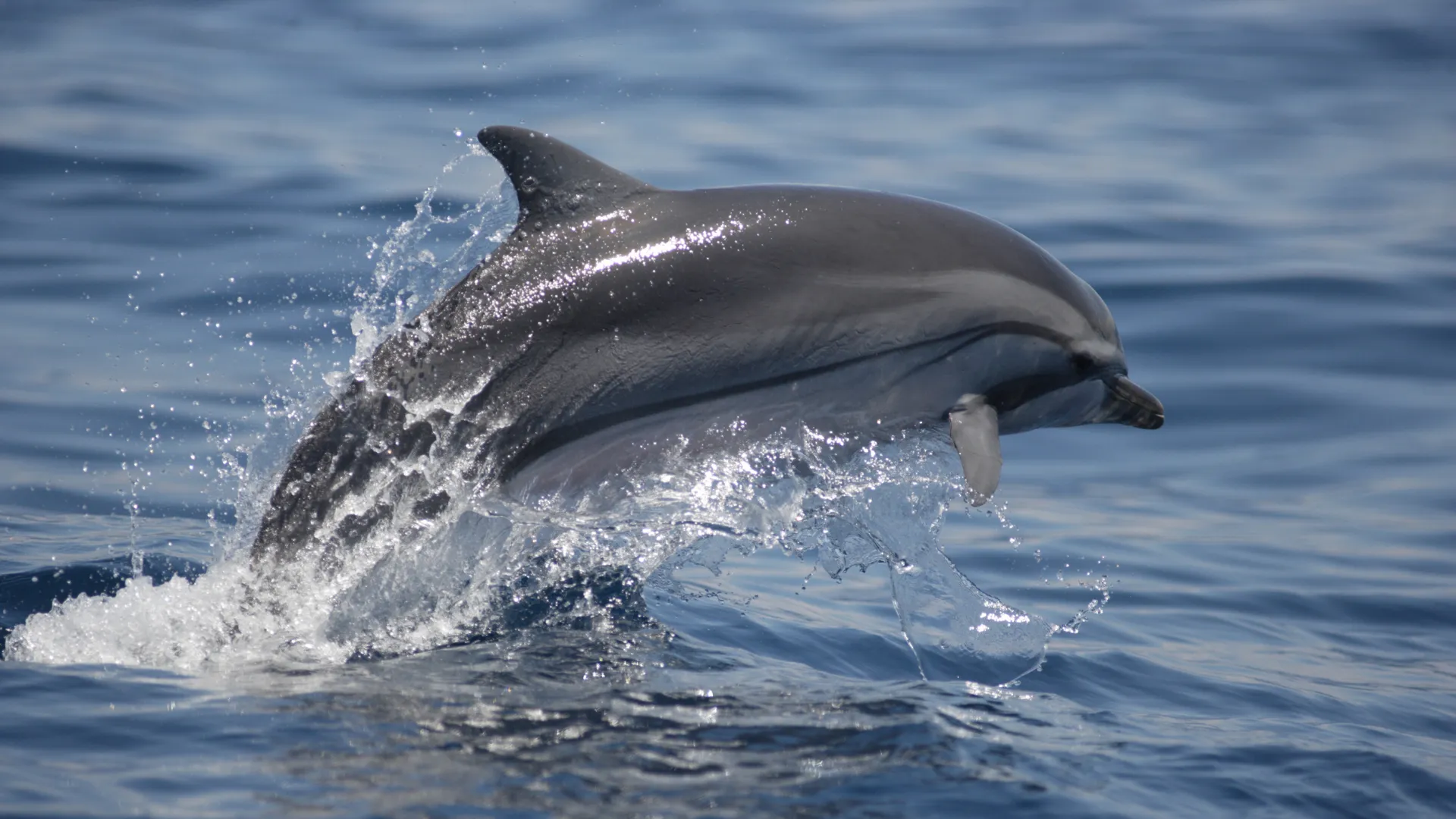
On Sri Lanka’s northwestern coast, Kalpitiya is especially well known for its spinner dolphins (Stenella longirostris).
These highly social animals can sometimes be encountered in large groups, creating remarkable spectacles as they swim together, surface and occasionally leap clear of the water.
The waters around Kalpitiya are also associated with sperm whales, with March considered a particularly interesting period for possible aggregations, although encounters are considerably less predictable.
For travellers seeking a combination of marine and terrestrial wildlife, Kalpitiya and Wilpattu make an appealing pairing, bringing together dolphin watching, leopard safaris and dry-zone birdlife.
All marine wildlife excursions should be conducted with appropriate viewing distances and without pursuing or disturbing the animals.
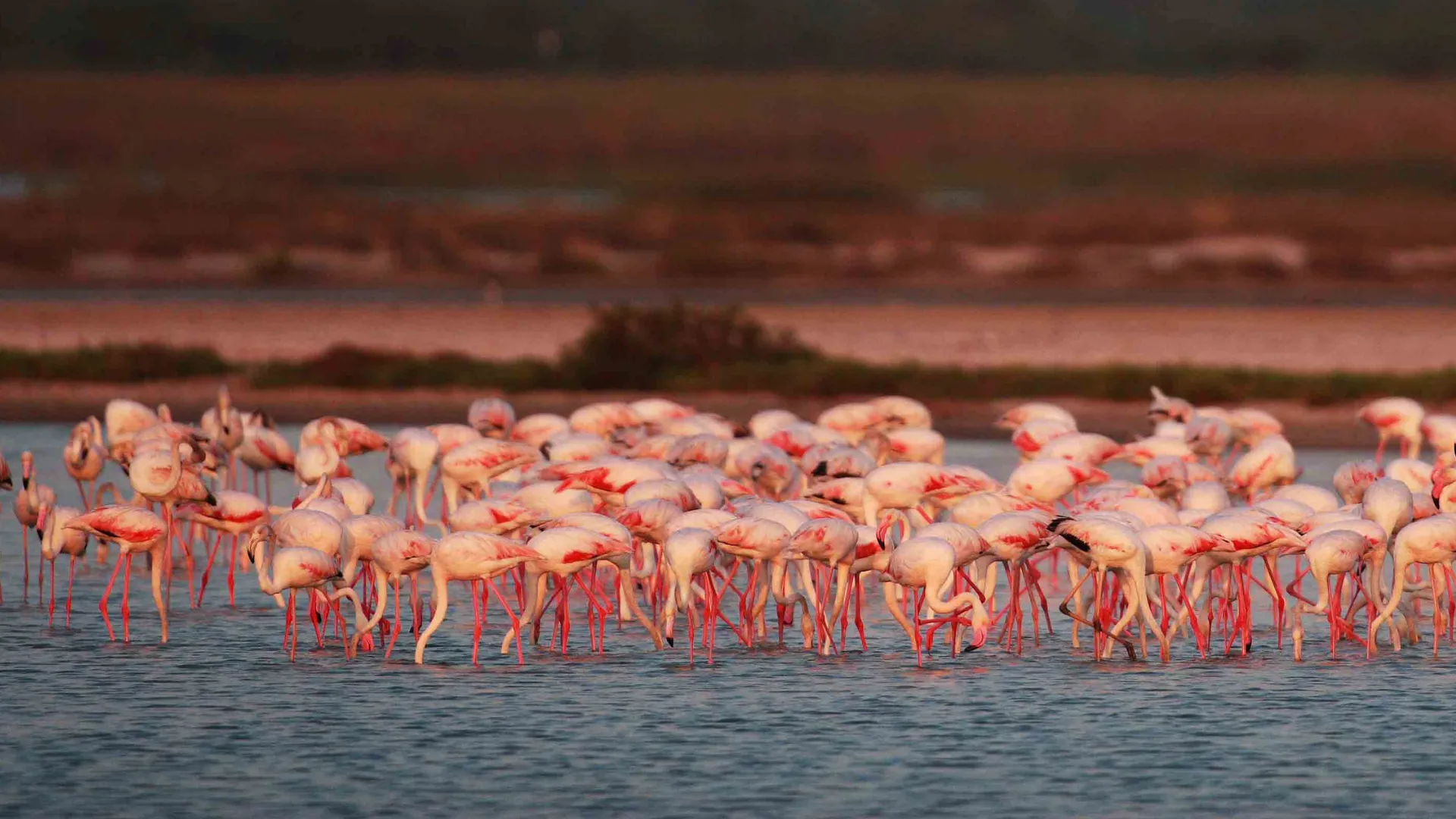
January through March is a particularly exciting period for birdwatchers visiting Sri Lanka.
During the northern winter, numerous migratory birds travel south from their breeding grounds in northern Asia, joining the island’s rich resident birdlife.
For dedicated birders, this creates an opportunity to combine winter migrants with Sri Lanka’s endemic birds within a single holiday.
The wetlands around Mannar and Vankalai Sanctuary are among Sri Lanka’s most important wintering habitats for migratory waterbirds.
Greater Flamingos are among the most visually striking seasonal visitors, while ducks, godwits, plovers, sandpipers and other waders can provide rewarding birdwatching opportunities.
On the southern coast, Bundala National Park offers another valuable wetland experience, with lagoons, mudflats and scrub habitats supporting an impressive variety of resident and migratory species.
For bird photographers, these open wetlands offer opportunities for photographing feeding behaviour, birds in flight and larger flocks against expansive natural landscapes.
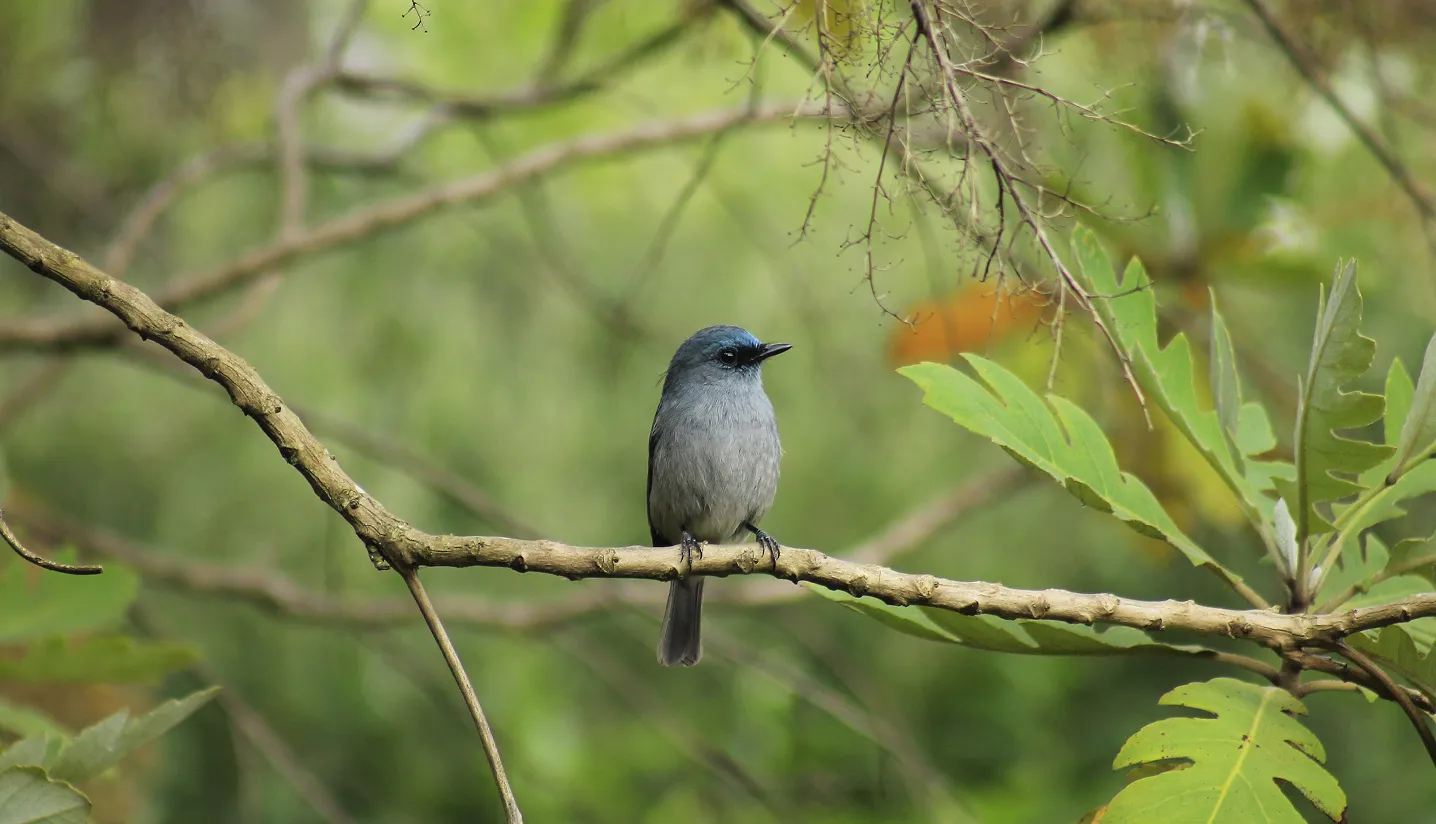
Sri Lanka’s endemic birds are another major attraction, with the rainforests of Sinharaja and Kitulgala providing opportunities to search for species such as the Sri Lanka Blue Magpie, Red-faced Malkoha and Green-billed Coucal.
Mixed-species feeding flocks are a particularly fascinating feature of rainforest birdwatching, although locating and observing birds within dense forest vegetation requires patience and considerable field knowledge.
Winter visitors such as the colourful Indian Pitta add further interest, while the central highlands around Nuwara Eliya are worth exploring for sought-after species including the Kashmir Flycatcher and Pied Thrush.
As March progresses, some migratory species begin their northward journey, making the timing of a specialist birdwatching itinerary particularly relevant.
Discover our Endemic Birds in Sri Lanka birdwatching journey.
The Sri Lankan sloth bear (Melursus ursinus inornatus) is another fascinating inhabitant of the island’s dry-zone forests.
These elusive mammals can be encountered in national parks such as Wilpattu, Yala and Kumana, although sightings are generally less predictable than those of elephants and many other large mammals.
The principal palu-fruiting period, usually occurring later in the year, is often considered a more favourable time for observing sloth bears feeding in daylight.
Nevertheless, encounters remain possible between January and March, particularly during extended visits to suitable habitats.
For dedicated wildlife enthusiasts, a sloth bear sighting is always a special reward, but one that should never be expected or guaranteed.
One of the most interesting aspects of wildlife watching in Sri Lanka is how changing weather conditions influence animal behaviour.
January and February broadly coincide with the latter part of the northeast monsoon period, while March marks the transition towards the first intermonsoon season.
However, seasonal rainfall patterns vary considerably between regions and years. For wildlife watching, this variation is not necessarily a disadvantage.
Drier conditions can make safari tracks more accessible and, as temporary water sources diminish, may encourage animals to visit larger, persistent waterbodies visible from established safari routes.
At the same time, intense daytime heat can cause animals to retreat into the shade, reducing activity in more exposed areas.
Occasional light showers and cooler, overcast conditions can bring their own advantages.
A cooler morning following overnight rain may offer favourable conditions for wildlife activity, while cloud cover can provide softer, more even lighting for photography. Replenished lakes and fresh vegetation can also transform a national park’s landscape, creating beautiful opportunities for environmental wildlife photographs.
Of course, prolonged heavy rain can make certain tracks inaccessible, while abundant water within forest habitats may reduce the need for animals to visit more easily observed water sources.
The key is understanding that the best wildlife conditions are not always the sunniest.
An experienced naturalist knows how to interpret the conditions on the day, adjusting the timing, location and approach to make the most of the opportunities nature provides.
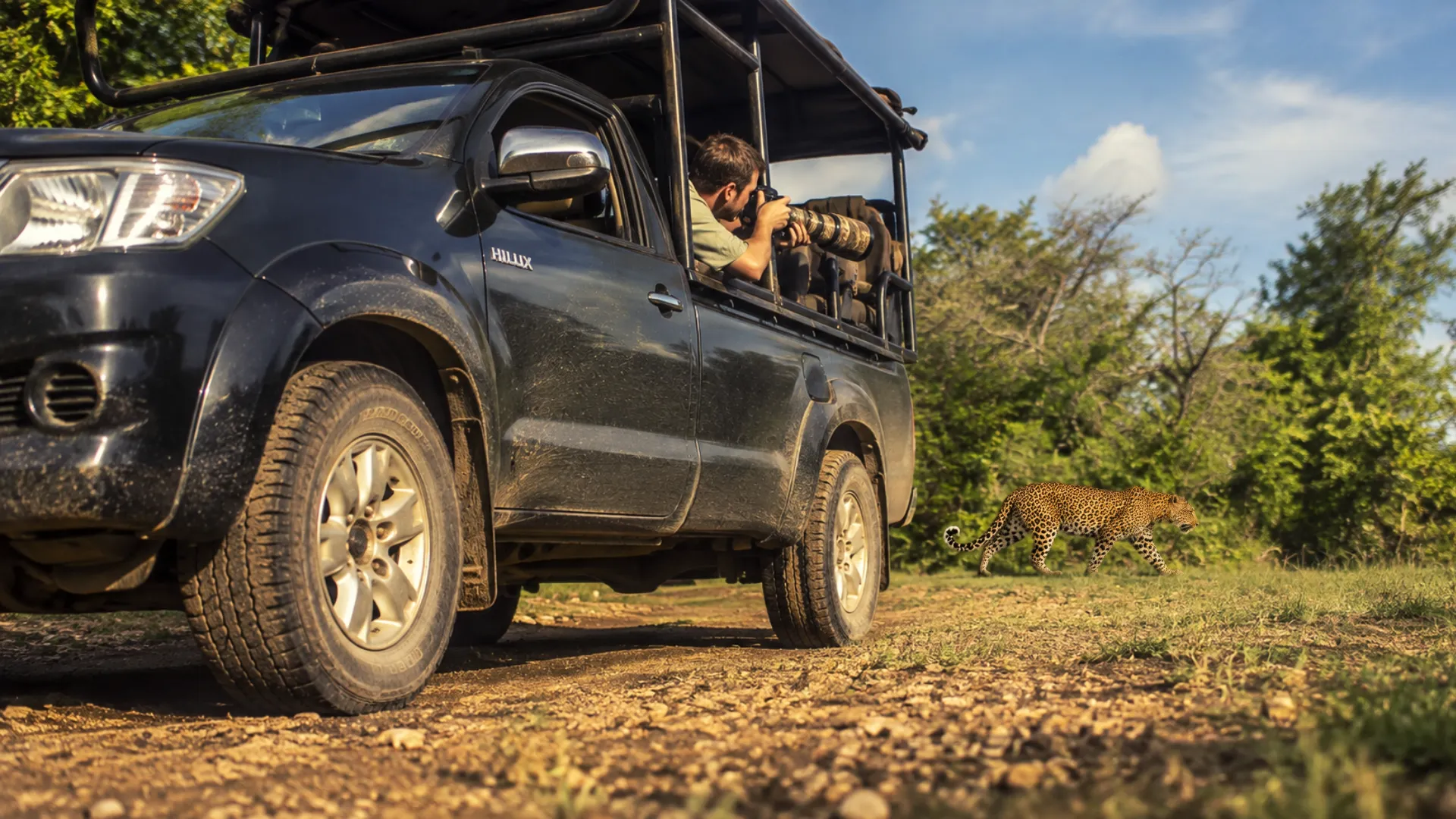
For photographers, Sri Lanka offers an extraordinary diversity of subjects.
A wildlife-focused expedition might combine leopards in Wilpattu or Kumana, wild elephants in the Cultural Triangle, wintering birds in Mannar and endemic species in Sinharaja.
For photographers with broader interests, the same journey can incorporate mist-covered mountain landscapes, tea country, coastal scenery, historic architecture and everyday life within Sri Lanka’s rural communities.
But successful wildlife photography requires more than simply arriving at the right location with a long lens.
Lighting, animal behaviour, background, positioning and time spent observing a subject can all make a remarkable difference.
A patient photographer may find that the most memorable image comes not from the closest possible encounter, but from capturing an animal behaving naturally within its environment.
At Jetwing Eco Holidays, this understanding influences how we develop specialist photography itineraries. Our naturalists work with guests to make the most of available light, wildlife movements and changing field conditions, while always respecting the animals being photographed.
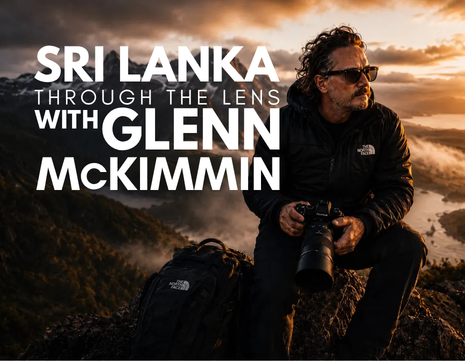
This approach has also informed our work alongside professional wildlife photographers and international wildlife filmmakers.
Discover how specialist photographic planning shaped our collaboration with Australian photographer Glenn McKimmin in Photographing Sri Lanka: Wildlife, Landscapes and Culture.
Each of these months offers rewarding possibilities, with slightly different seasonal considerations.
January: An attractive time to combine blue whale watching off Mirissa, spinner dolphins around Kalpitiya, wintering migratory birds and terrestrial wildlife safaris.
February: Particularly appealing for itineraries combining leopard watching, wild elephant encounters, rainforest birding and winter migrants. It also offers an excellent opportunity to devote several days to wildlife photography in contrasting habitats.
March: Marine wildlife remains a major attraction, with whale watching opportunities off the southern coast and dolphin watching around Kalpitiya. Some wintering bird species begin their northward migration, while the national parks continue to offer opportunities for leopards, elephants and other resident wildlife.
Rather than treating these as rigid monthly recommendations, the most effective itineraries take into account recent conditions, seasonal movements and the individual interests of each traveller.
At Jetwing Eco Holidays, we believe that understanding wildlife is just as important as finding it.
Our private, tailor-made wildlife holidays are designed around the interests of each guest, whether they are discovering Sri Lanka’s wildlife for the first time, pursuing a specialist birdwatching journey or planning a dedicated photography expedition.
Our experienced naturalists and wildlife chauffeur-guides bring an understanding of animal behaviour, habitats, seasonal movements and photographic opportunities to every journey.
Just as importantly, we believe wildlife should always be encountered responsibly, without disturbing the animals or compromising the habitats they depend upon.
January through March offers a remarkable opportunity to explore Sri Lanka’s natural world. From an elusive leopard in a forest clearing to a herd of elephants bathing in a reservoir, a wintering bird in the rainforest or a blue whale surfacing in the Indian Ocean, every encounter has its own story.
And often, the most rewarding experiences are the ones that cannot be planned down to the minute.
Explore our Sri Lanka’s Big Five wildlife tour or let our team create a private wildlife and photography holiday around the species, landscapes and experiences that interest you most.
Contact Jetwing Eco Holidays to begin planning your Sri Lanka wildlife holiday for the upcoming January–March season.
Yes. January through March offers opportunities for leopard and elephant safaris, blue whale watching off Mirissa, spinner dolphin encounters around Kalpitiya and winter migratory birdwatching. Suitable locations vary according to species, habitat and seasonal conditions.
The wider Cultural Triangle around Habarana, Sigiriya and Dambulla provides opportunities to observe wild elephants during February. However, elephants move between different habitats according to food availability and water levels. Recent local observations are therefore valuable when selecting a safari location. Udawalawe is another rewarding elephant-watching destination.
Yes. Sri Lanka’s compact geography allows travellers to combine leopard and elephant safaris, marine wildlife, birdwatching and landscape photography within a single journey. Jetwing Eco Holidays develops private itineraries around individual wildlife interests and photographic requirements, with an emphasis on responsible encounters and sufficient time in the field.