Following the filming route of the acclaimed Belgian nature series Le Jardin Extraordinaire
Following the filming route of the acclaimed Belgian nature series Le Jardin Extraordinaire


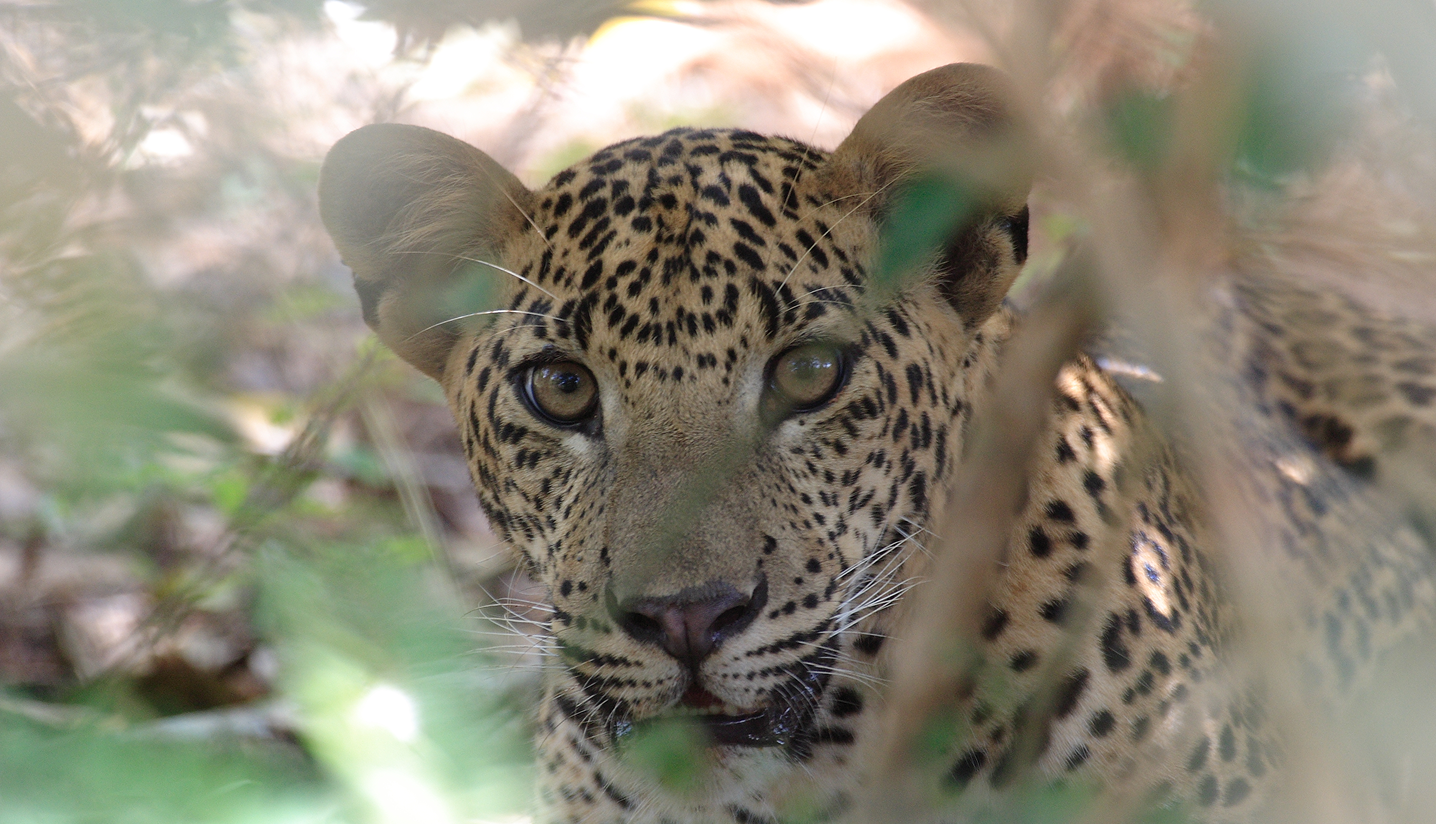
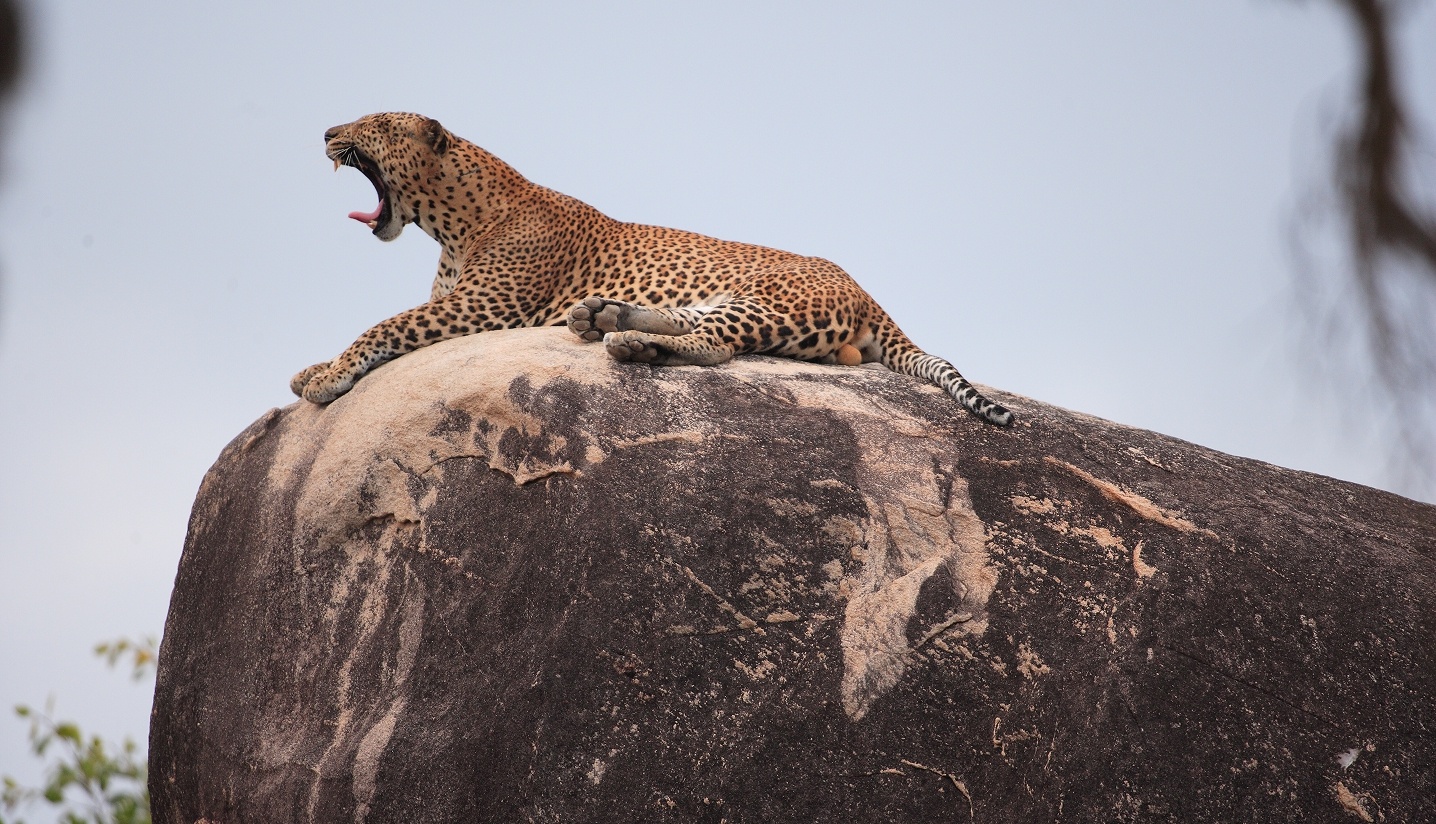
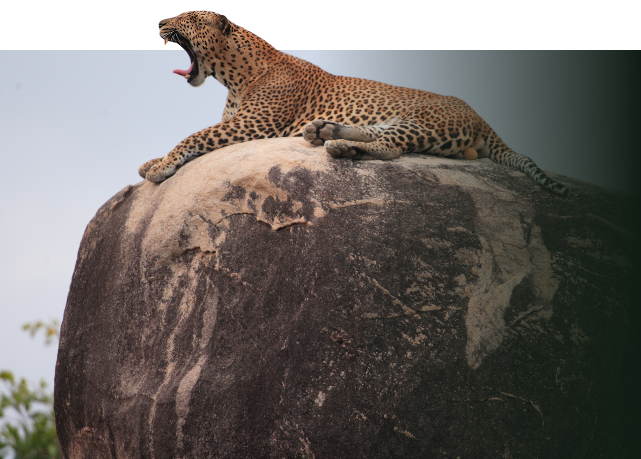
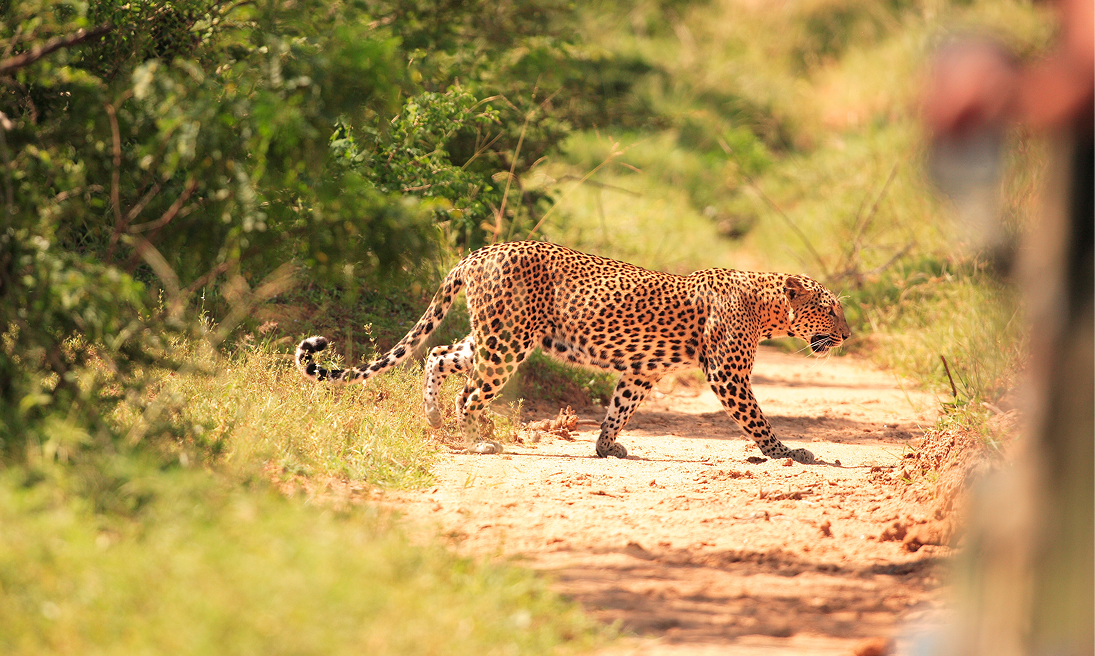
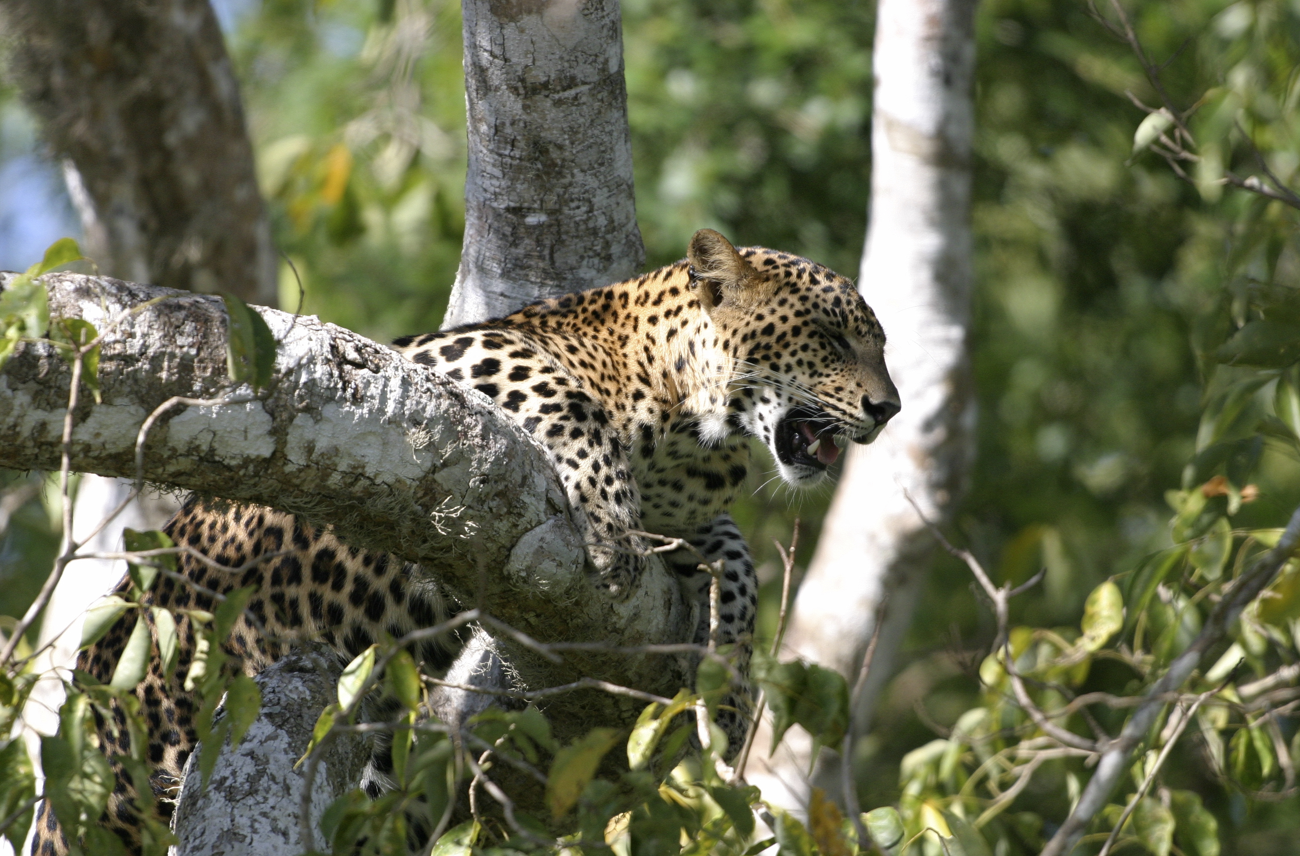
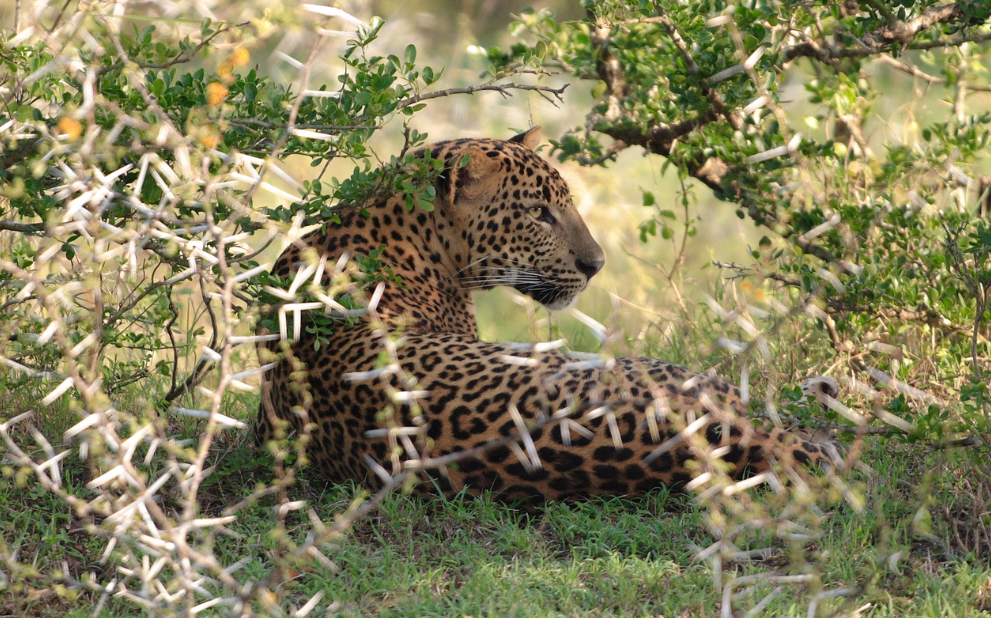
Arriving in Sri Lanka, your wildlife adventure begins with a scenic drive northwards into the dry forests of Wilpattu National Park, the island’s largest and one of its most mysterious wilderness landscapes. Known for its unique “villus”, natural rainwater lakes scattered through the forest – Wilpattu is widely considered one of the best places in Sri Lanka to photograph the elusive Sri Lankan Leopard.
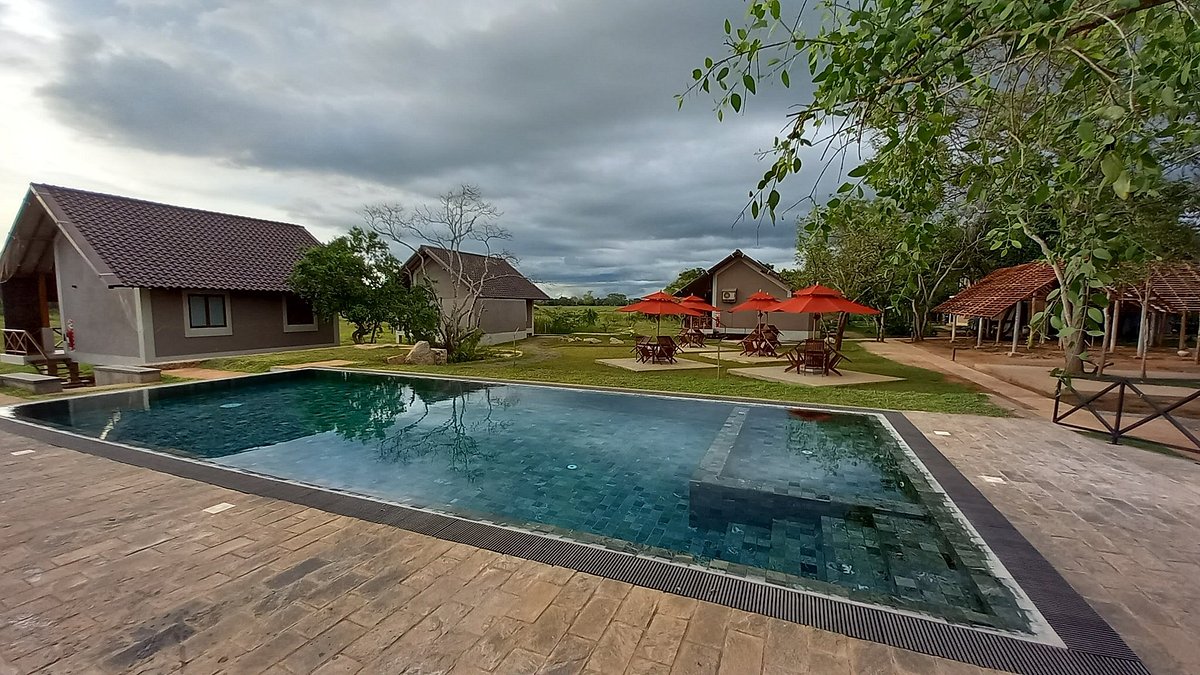
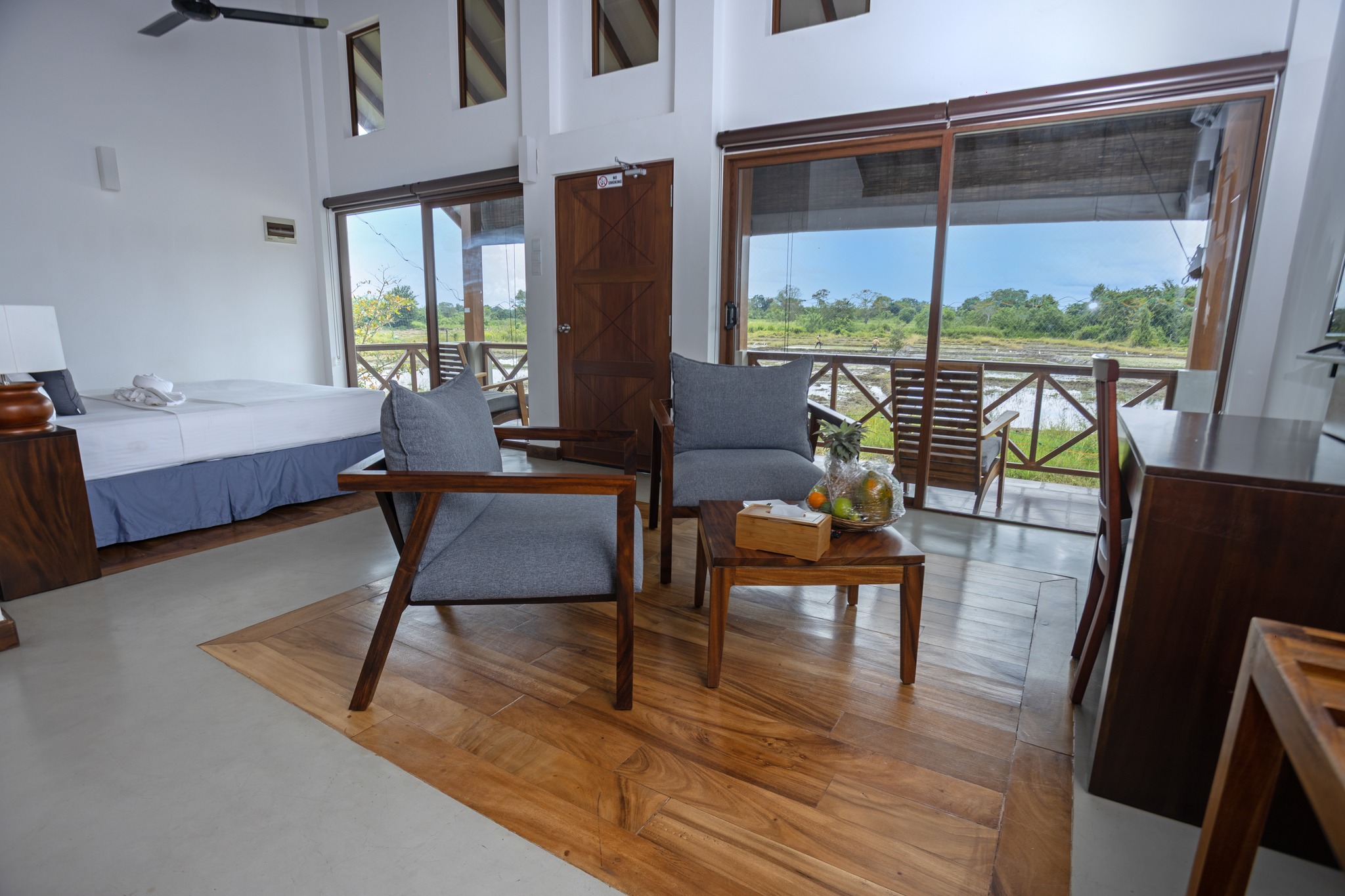
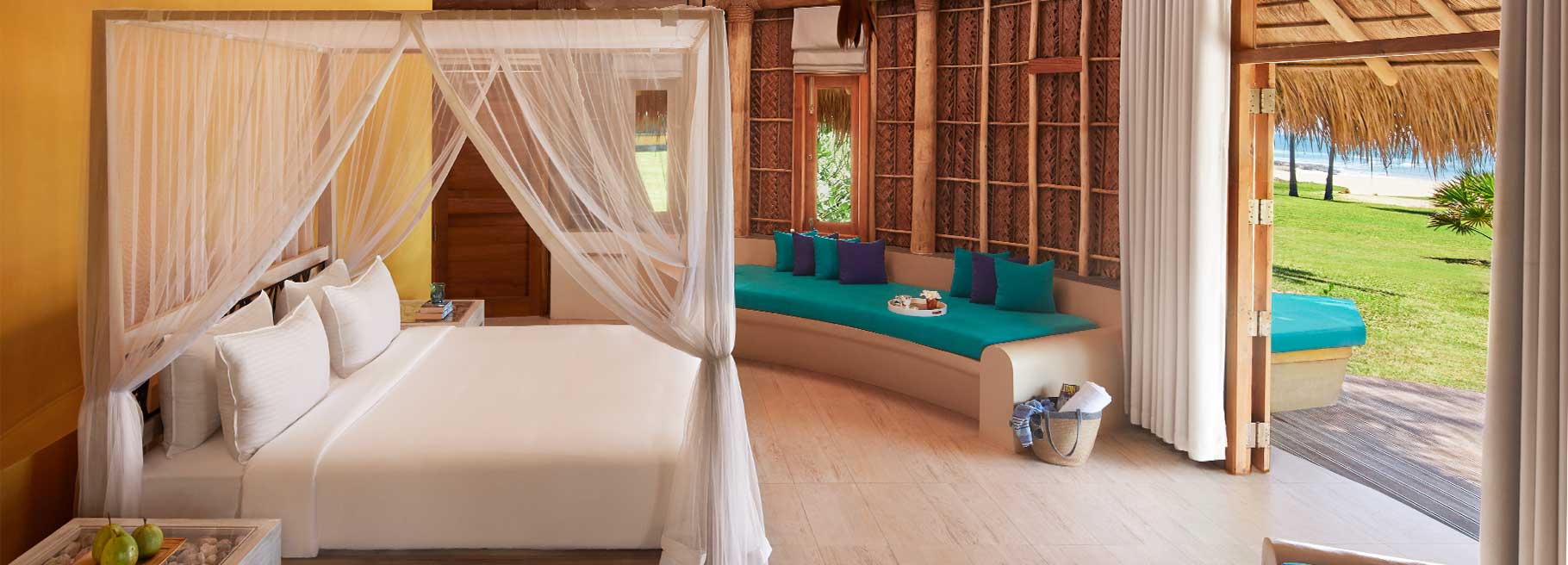
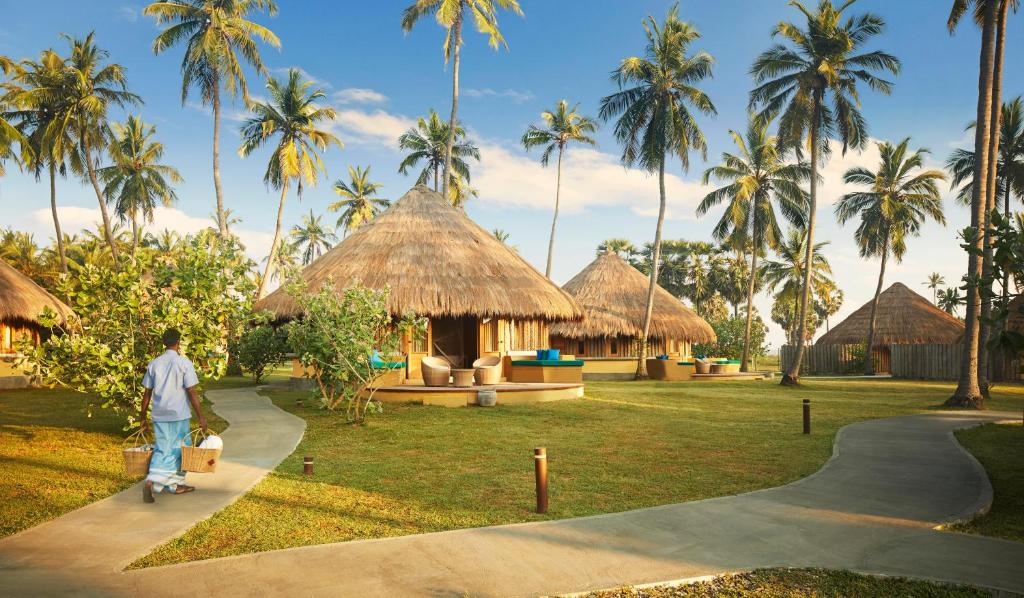
Upon arrival at your wilderness lodge, the evening is yours to relax and settle into the rhythm of the forest. As the sun dips behind the trees and the forest grows quiet, it’s the perfect time to prepare your cameras and photography gear for the adventures ahead.
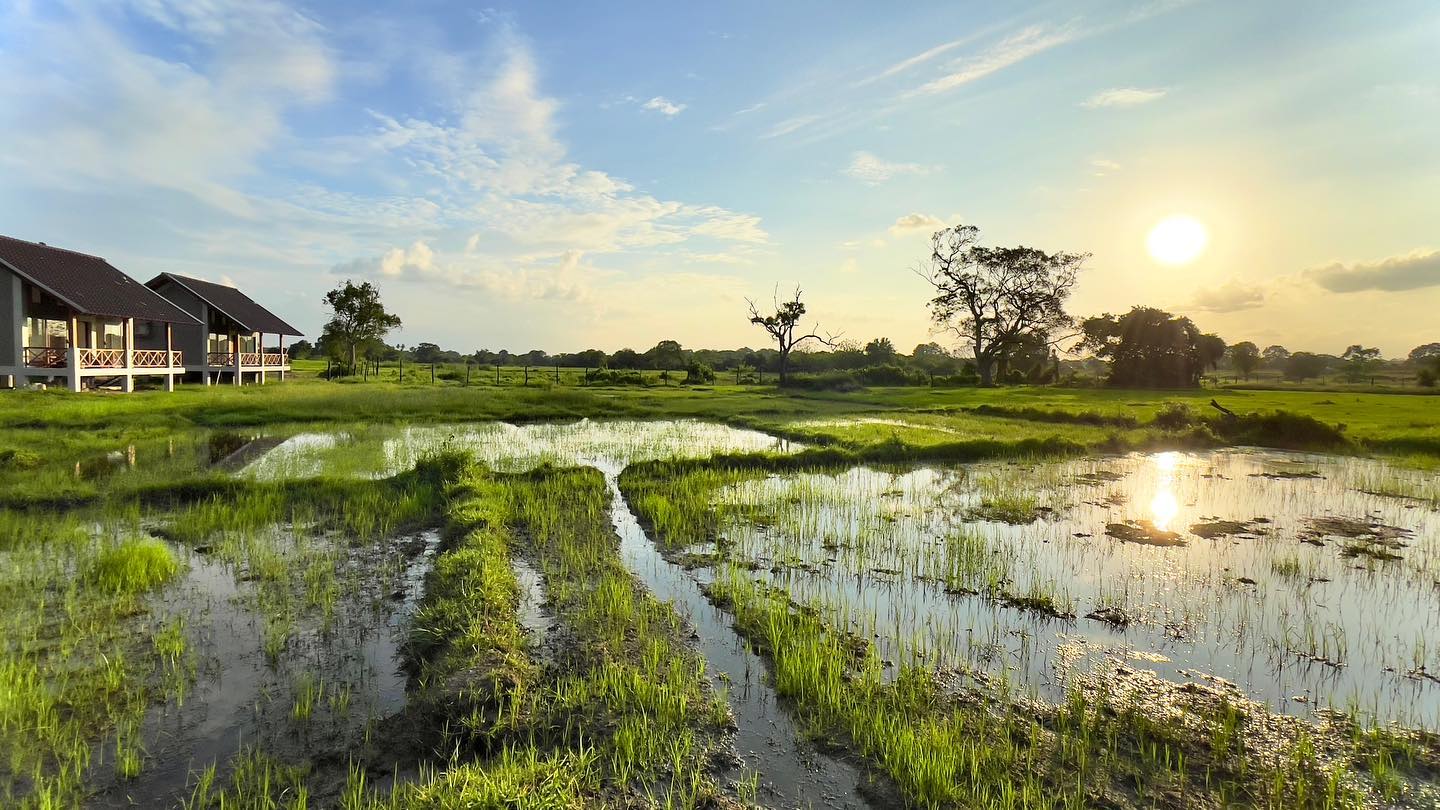
Wilpattu’s vast forests offer a wilderness atmosphere unlike any other park in Sri Lanka. As dawn breaks across the villus, the forest awakens with bird calls and the distant movement of wildlife along the water’s edge.
Today’s full-day safari allows ample time to explore the park’s remote tracks in search of its most celebrated residents.
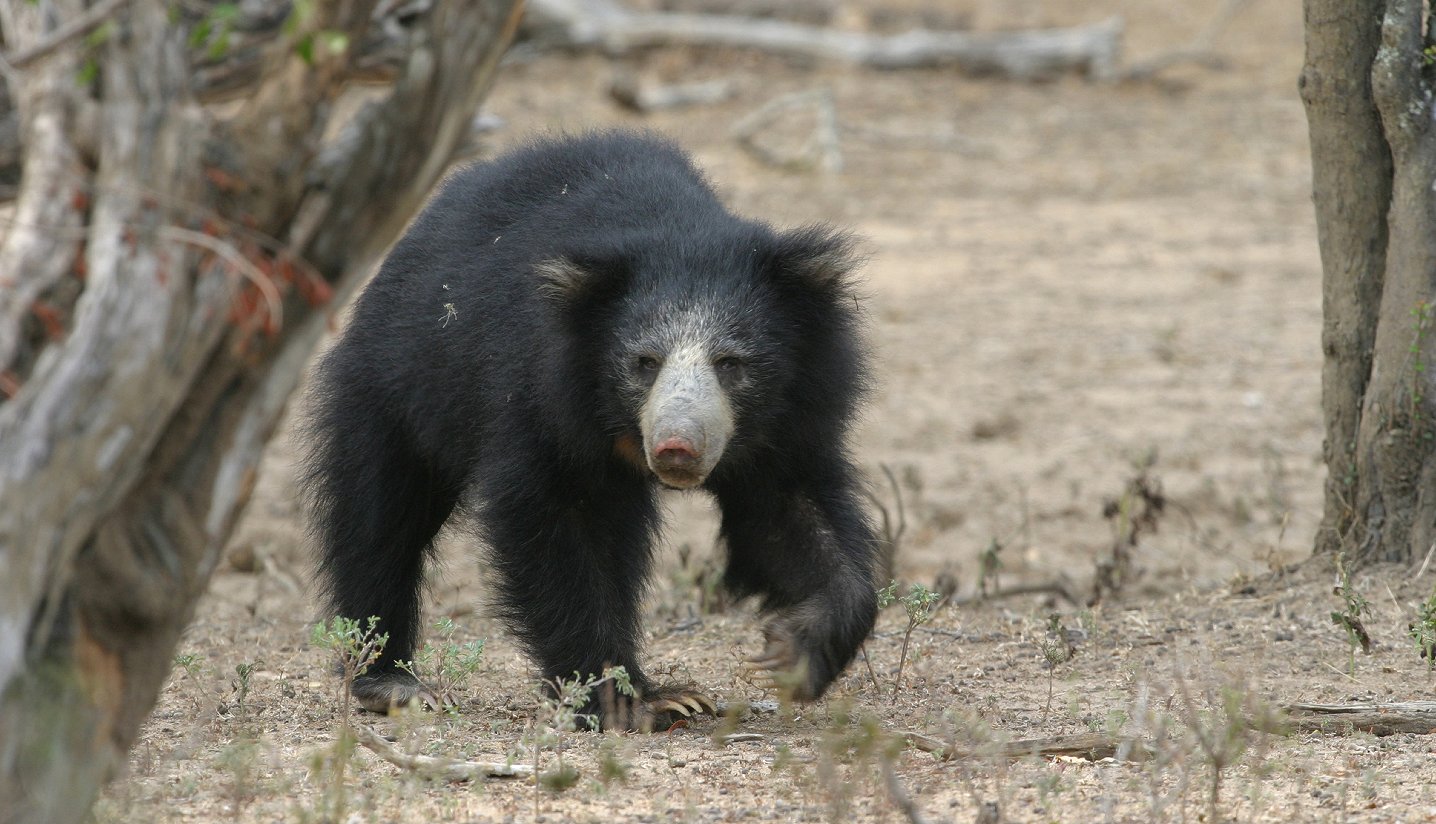
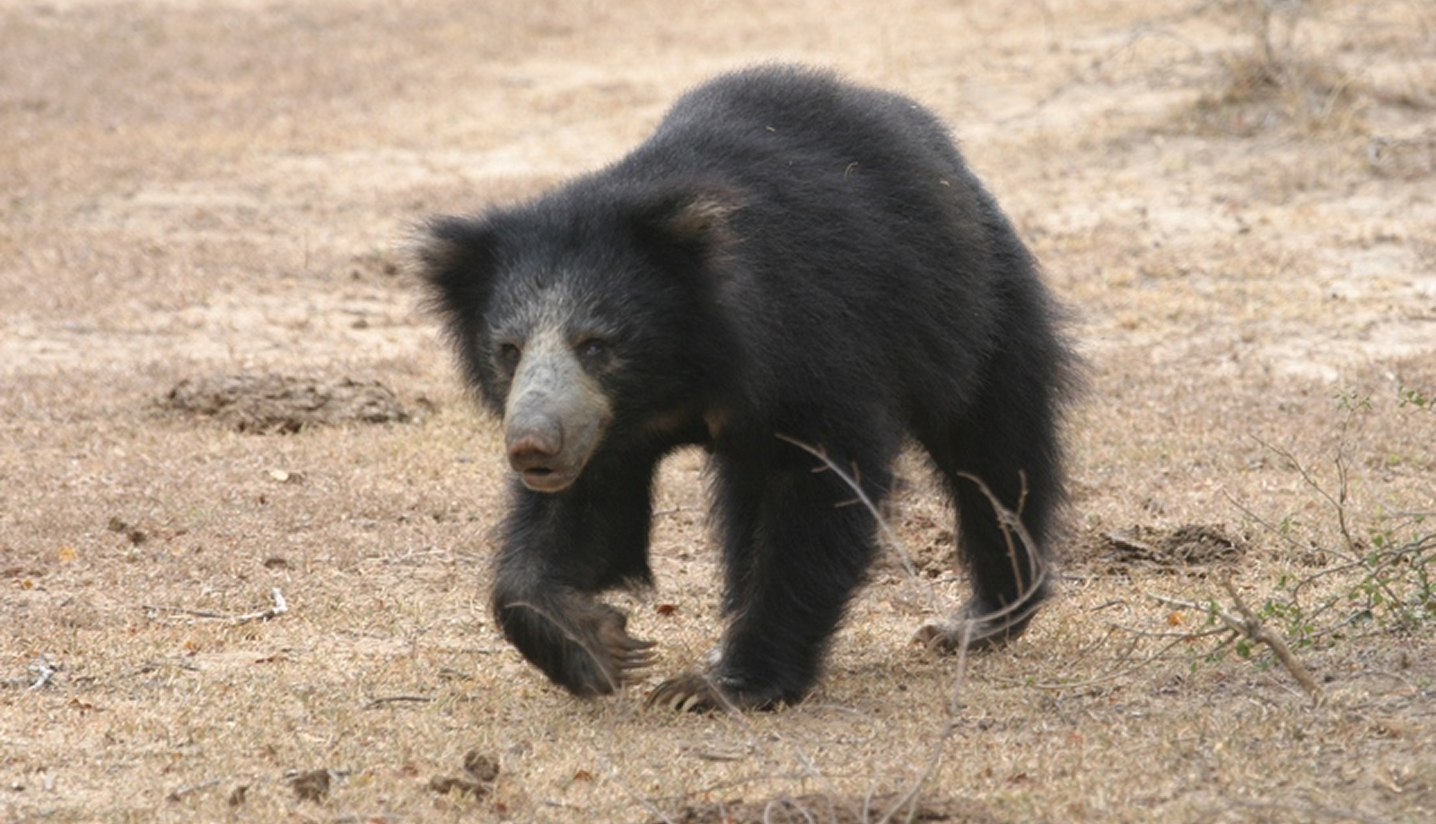
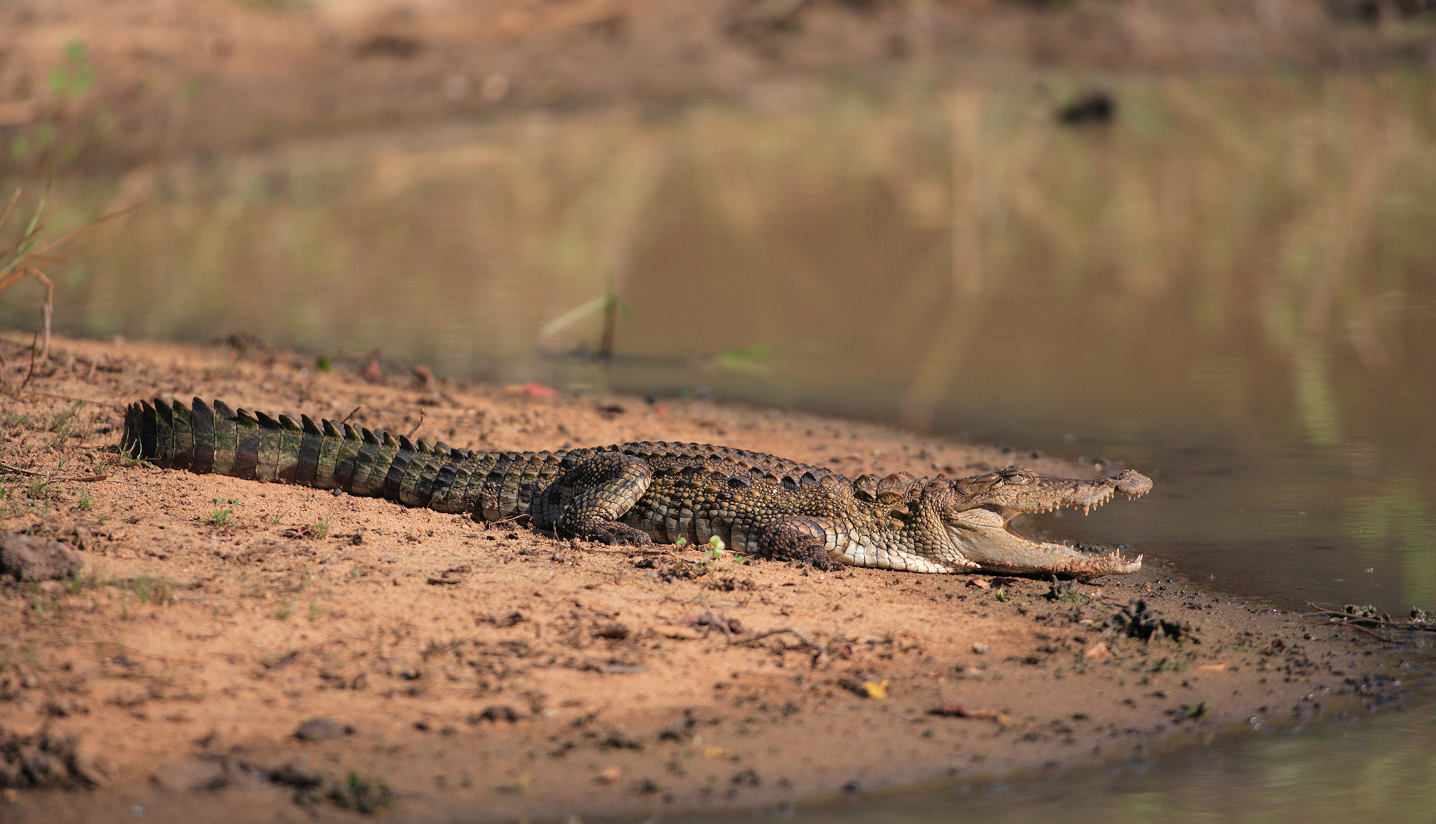
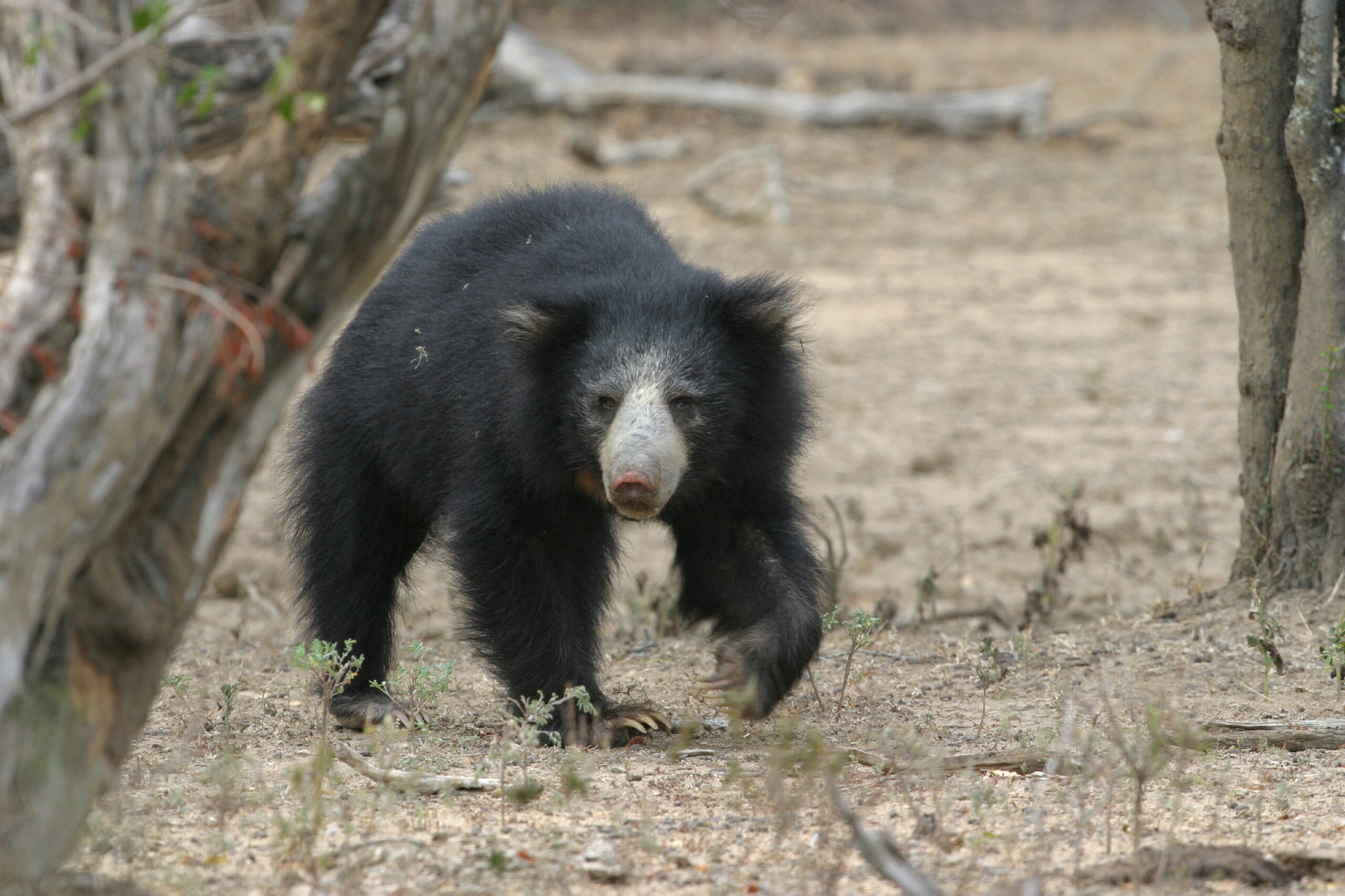
Among the many species that inhabit these forests are the Sri Lankan Leopard, Sloth Bear, Spotted Deer, Mugger Crocodile, and a remarkable diversity of birdlife including the Sri Lanka Grey Hornbill, Malabar Pied Hornbill, and Changeable Hawk Eagle.
For photographers, the interplay of forest shadows and open lakes creates exceptional opportunities to capture wildlife in dramatic natural settings.
Another full day in Wilpattu allows you to explore different sectors of this expansive park. Experienced wildlife photographers often value multiple days here, as patience and time greatly increase opportunities for remarkable sightings.
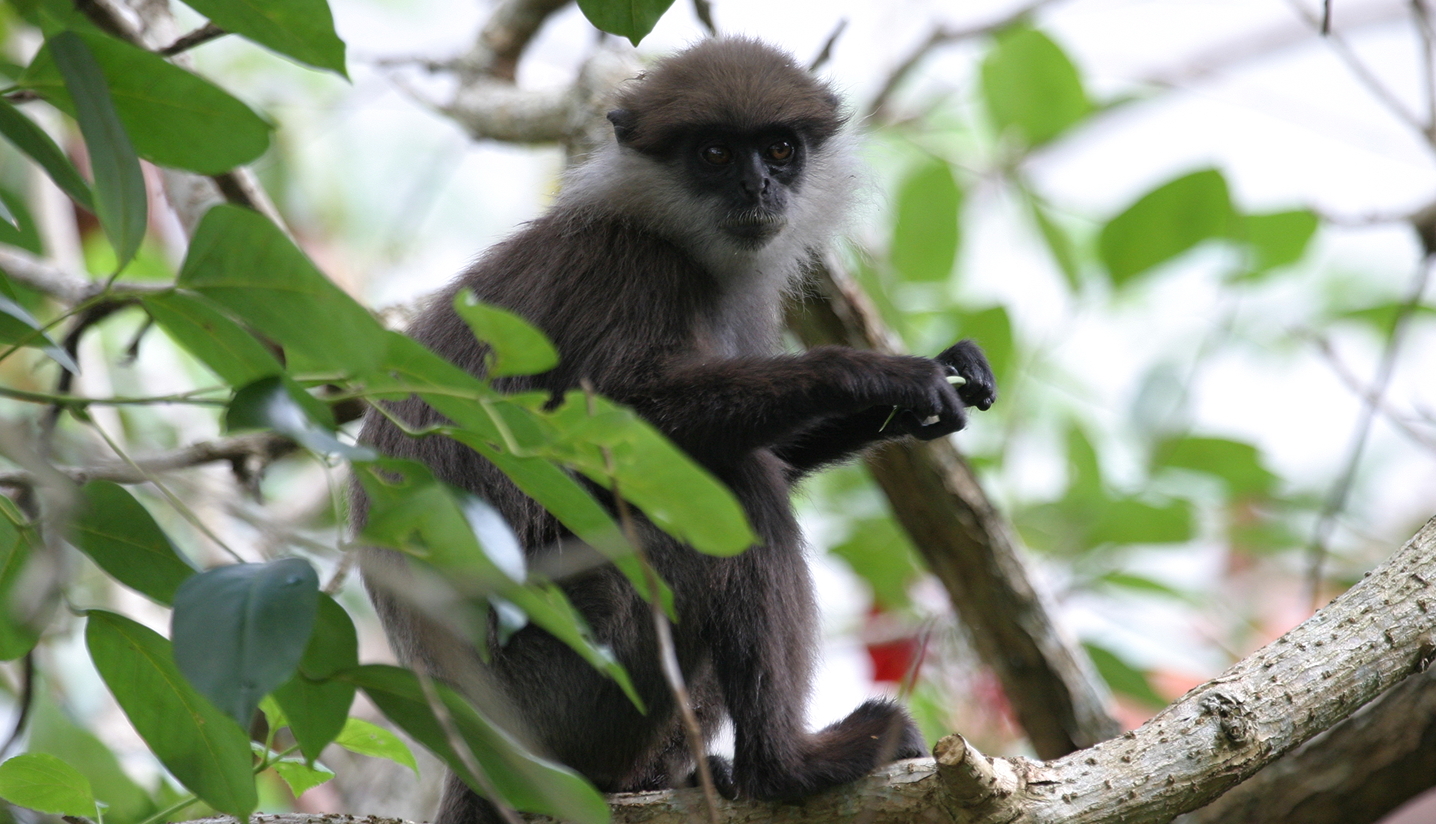
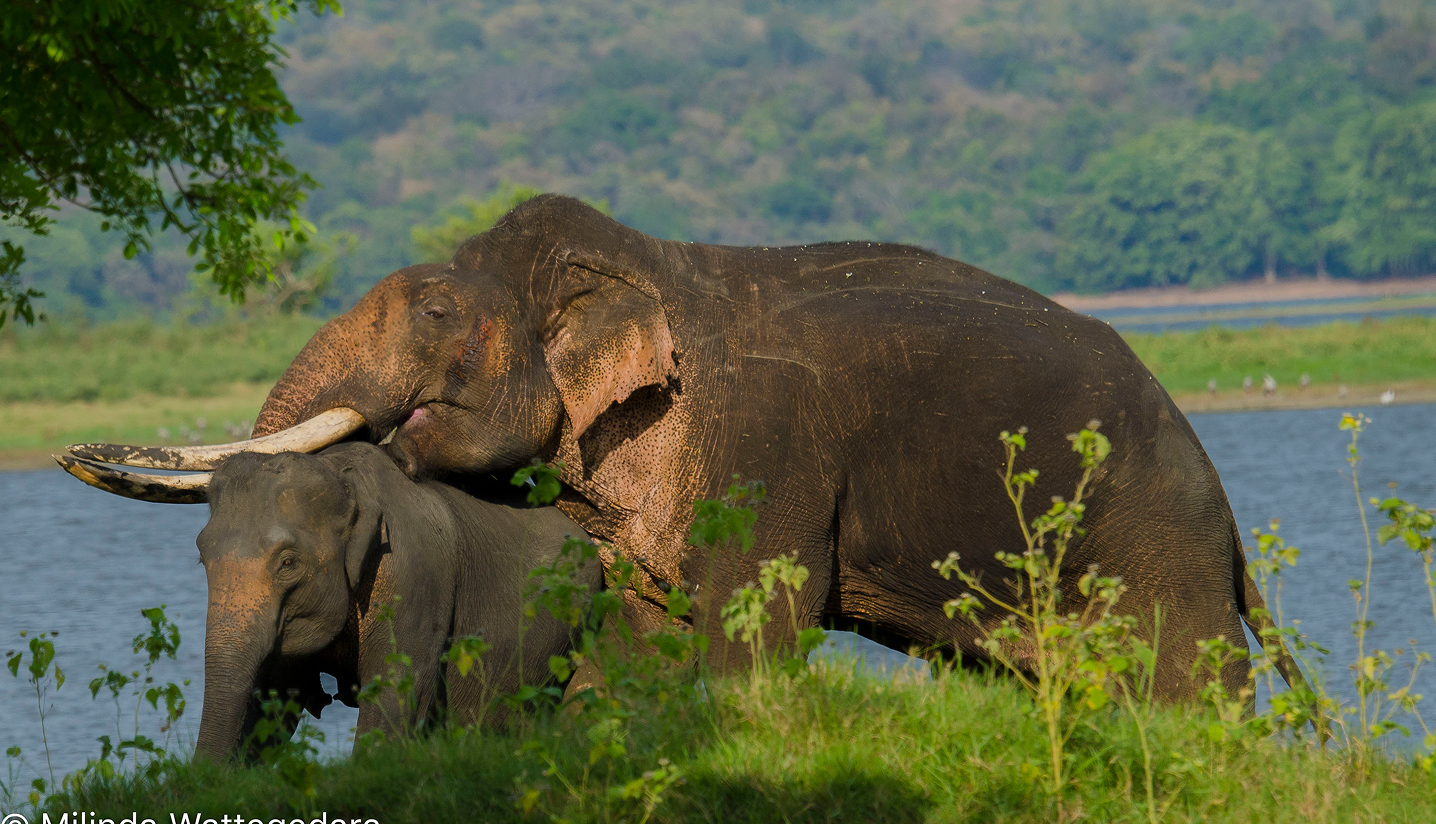
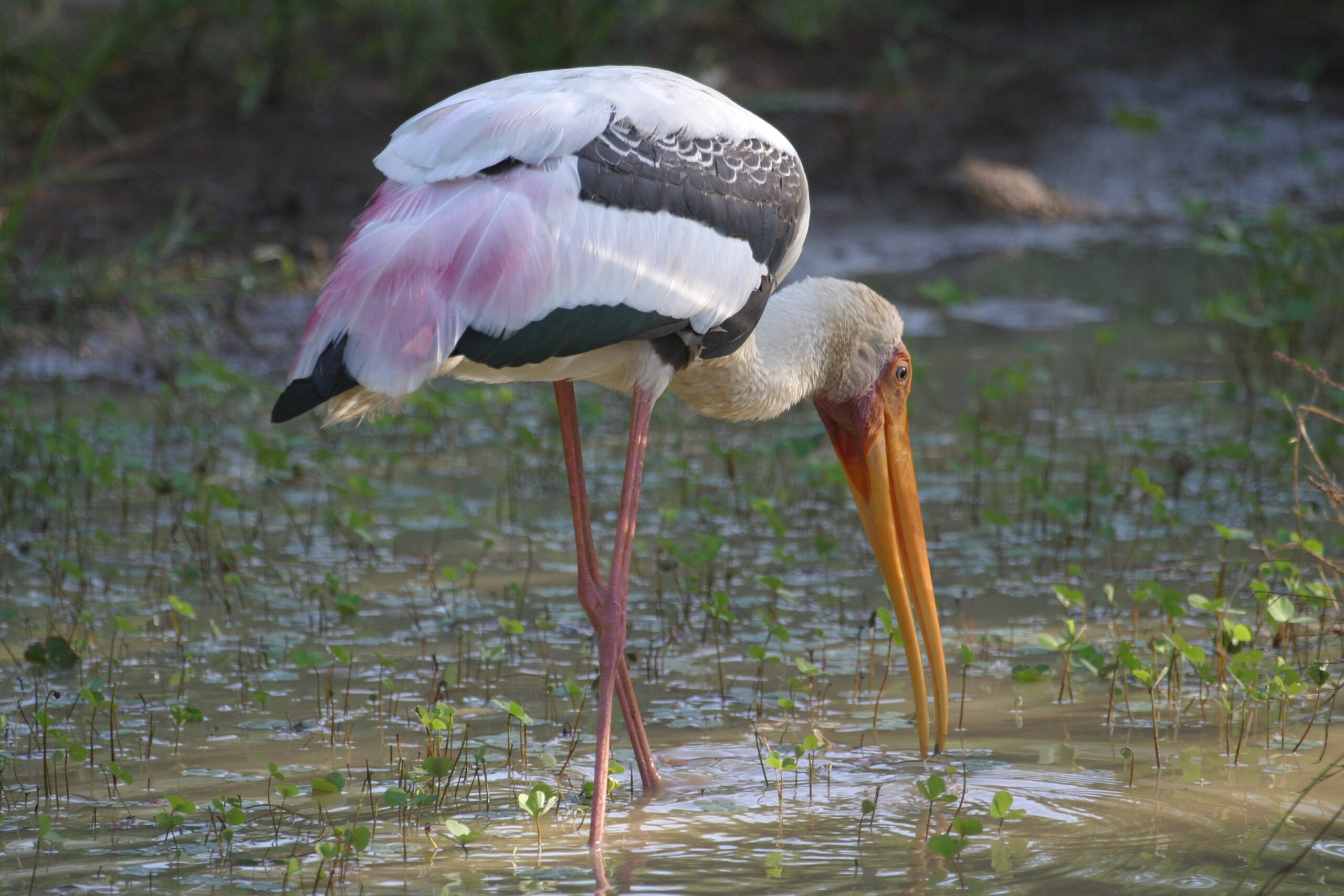
Beyond its famous leopards, Wilpattu is home to an extraordinary diversity of wildlife. Troops of Tufted Grey Langurs leap between towering trees, while Asian elephants occasionally wander through the forest clearings. Along the lakeshores, birdlife flourishes – from elegant Painted Storks to the striking White-bellied Sea Eagle.
The slower pace of a full-day safari allows photographers to carefully position themselves for the best light and angles as wildlife moves naturally through its habitat.
Enjoy a final morning exploring the wilderness of Wilpattu National Park, when the forest often feels most alive. As the early sunlight filters through the trees, wildlife gathers near the park’s villus while birds begin their morning activity along the forest edges. It is a final opportunity to observe the remarkable ecosystems of Wilpattu before continuing the journey across Sri Lanka’s dry zone landscapes.
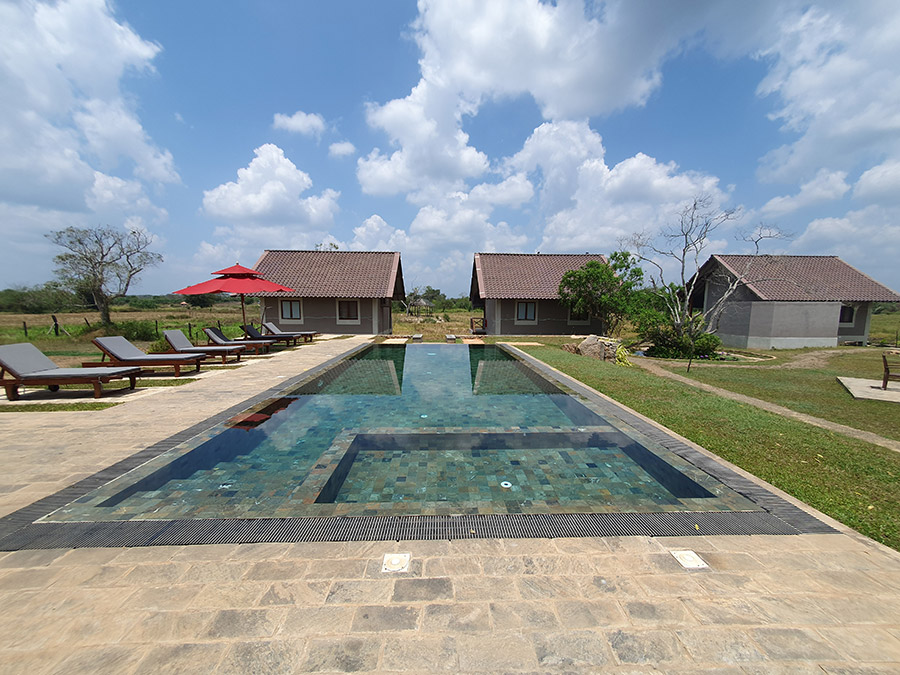
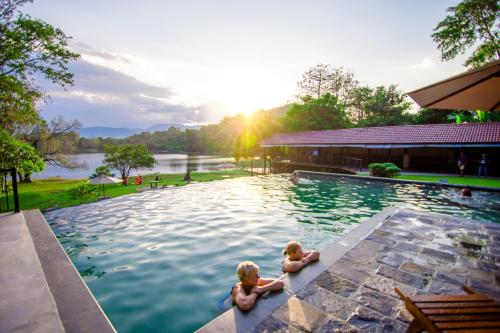
Leaving the park behind, the route travels southeast through rural villages, farmland and forested plains toward the ancient region of Mahiyanganaya. This historic valley, surrounded by hills and reservoirs, offers a peaceful contrast to the rugged wilderness of Wilpattu. Your lakeside lodge overlooks the calm waters of Mapakada Lake, where the quiet atmosphere provides a perfect place to relax before the next stage of the expedition.
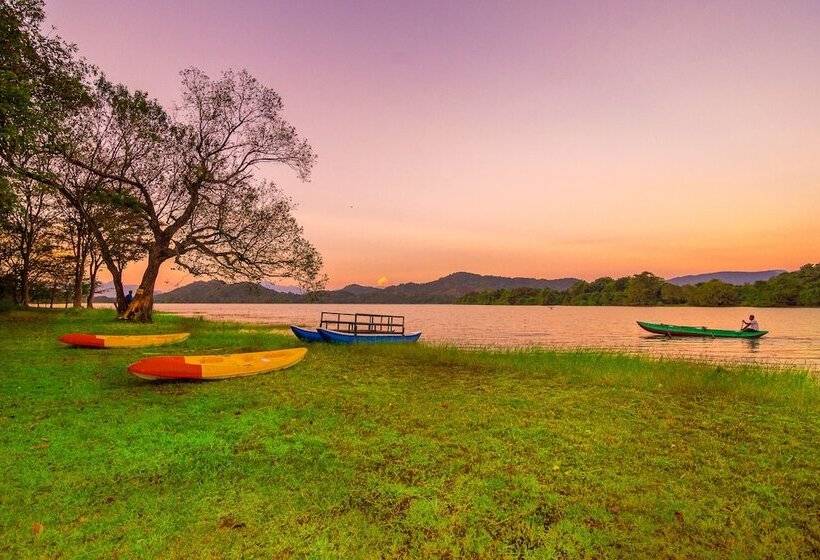
The day begins before dawn on the peaceful waters of Mapakada Lake, where a traditional rowboat carries you slowly across the misty surface as the first light of morning spreads across the hills. In the soft golden glow of sunrise, birds begin to stir across the lake — cormorants, herons, egrets and kingfishers glide across the water, offering beautiful photographic moments in the calm morning light.
The boat then approaches a shaded section of lakeside forest where large colonies of fruit bats roost among the trees, allowing guests to observe and photograph these fascinating nocturnal mammals at close range. After breakfast, the journey continues southeast toward the wild coastal landscapes of Kumana National Park, where lagoons, scrub forests and wetlands create one of Sri Lanka’s most rewarding wildlife habitats.
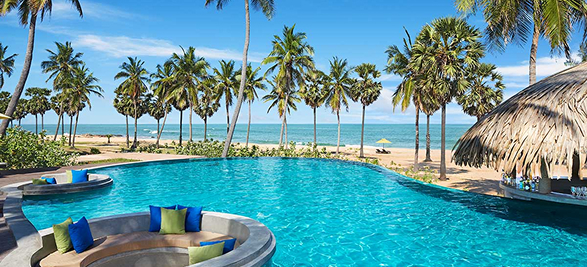
Today is dedicated to exploring the remarkable landscapes of Kumana National Park, a vast wilderness of lagoons, mangroves, grasslands and dry forest along Sri Lanka’s southeastern coastline. These wetlands attract extraordinary numbers of waterbirds, particularly around the famous Kumana Villu, where large congregations of painted storks, pelicans, spoonbills, and black-headed ibises gather during the breeding season.
Yet Kumana is far more than a haven for birds. The surrounding forests and scrublands support a thriving population of wildlife including Sri Lankan elephants, leopards, sloth bears, golden jackals and mugger crocodiles. Moving slowly through these diverse habitats provides exceptional opportunities for wildlife photography, particularly along the lagoon edges where animals and birds often gather in the soft morning and evening light.
A second day in Kumana allows time to explore more remote corners of this remarkable national park where wetlands merge with coastal forest and open plains. Shallow lagoons attract a wide variety of birdlife, from elegant black-necked storks and Eurasian spoonbills to flocks of migratory shorebirds that feed along the water’s edge.
At the same time, the surrounding wilderness supports an impressive range of mammals. Elephants move between forest and grassland, while the elusive Sri Lankan leopard and sloth bear occasionally emerge along quiet park tracks. With patience and careful observation, photographers may capture remarkable moments — birds taking flight across the lagoons or mammals moving through the coastal scrublands in the golden evening light.
After a final morning safari in Kumana, the journey continues inland toward the open landscapes of Udawalawe National Park. Leaving the coastal wetlands behind, the scenery gradually changes as forests give way to grasslands and reservoirs that support one of Sri Lanka’s most reliable populations of wild elephants.
Udawalawe’s expansive plains create ideal conditions for observing wildlife in open terrain, making it particularly rewarding for photography. The surrounding landscapes are home not only to elephants but also water buffalo, golden jackals, crocodiles and numerous species of birds that thrive along the edges of the reservoir.
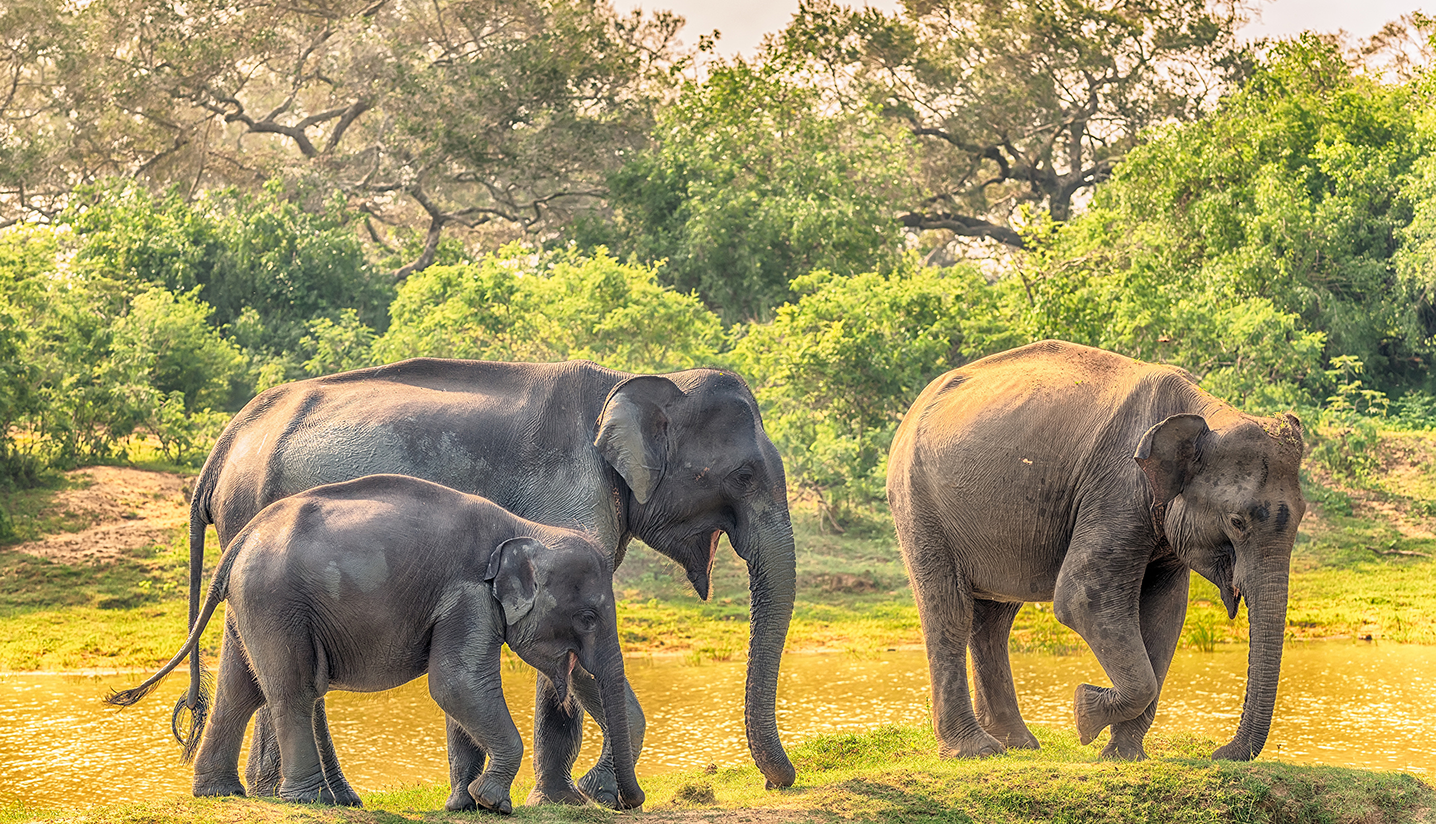
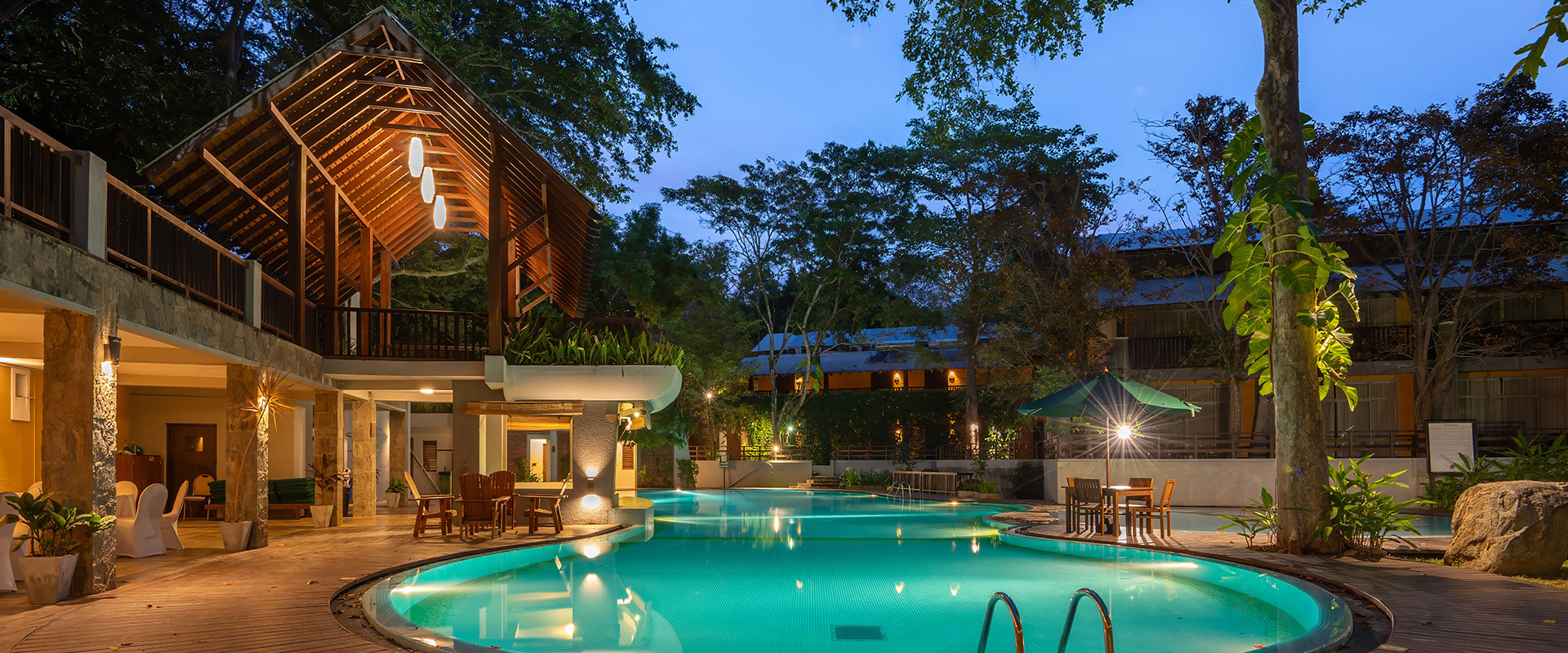
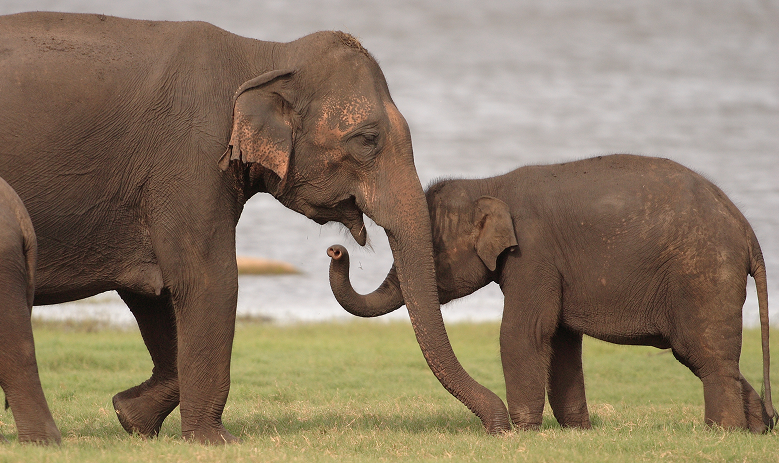
Today is devoted to exploring the remarkable landscapes of Udawalawe National Park, widely regarded as one of the best places in Asia to observe wild Asian elephants. Herds of elephants move freely across the open plains, often gathering near the reservoir where water and grass are abundant throughout the year.
Alongside elephants, the park supports a variety of wildlife including water buffalo, spotted deer, golden jackals, crocodiles and a wide diversity of birds. The park’s open terrain provides exceptional opportunities for wildlife observation and photography, particularly during the cooler morning and evening hours when animals are most active.

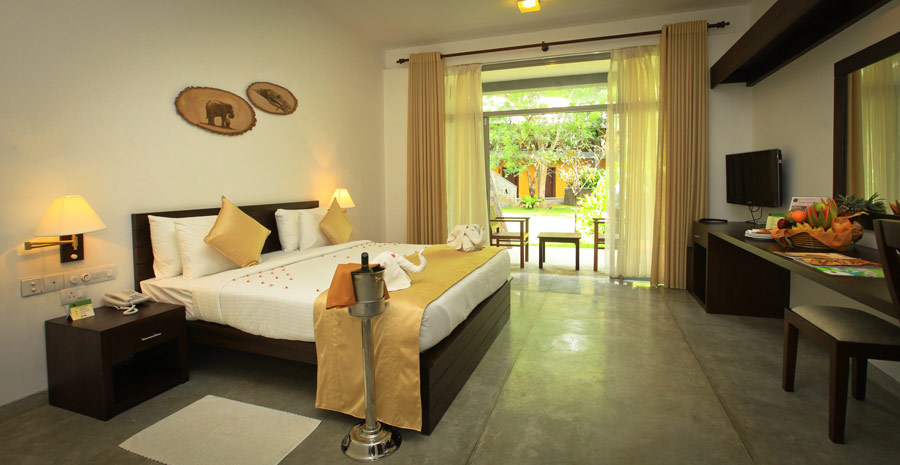
After a final morning safari in Udawalawe, the expedition continues toward one of Sri Lanka’s most extraordinary natural treasures — the Sinharaja Rainforest, a UNESCO World Heritage Site and the island’s last large tract of primary tropical rainforest.
As the journey progresses into the southern hills, the landscapes transform dramatically. Dense forest, rushing streams and mist-covered hills signal the transition from dry zone wilderness to lush rainforest ecosystems that support some of Sri Lanka’s most remarkable endemic wildlife.
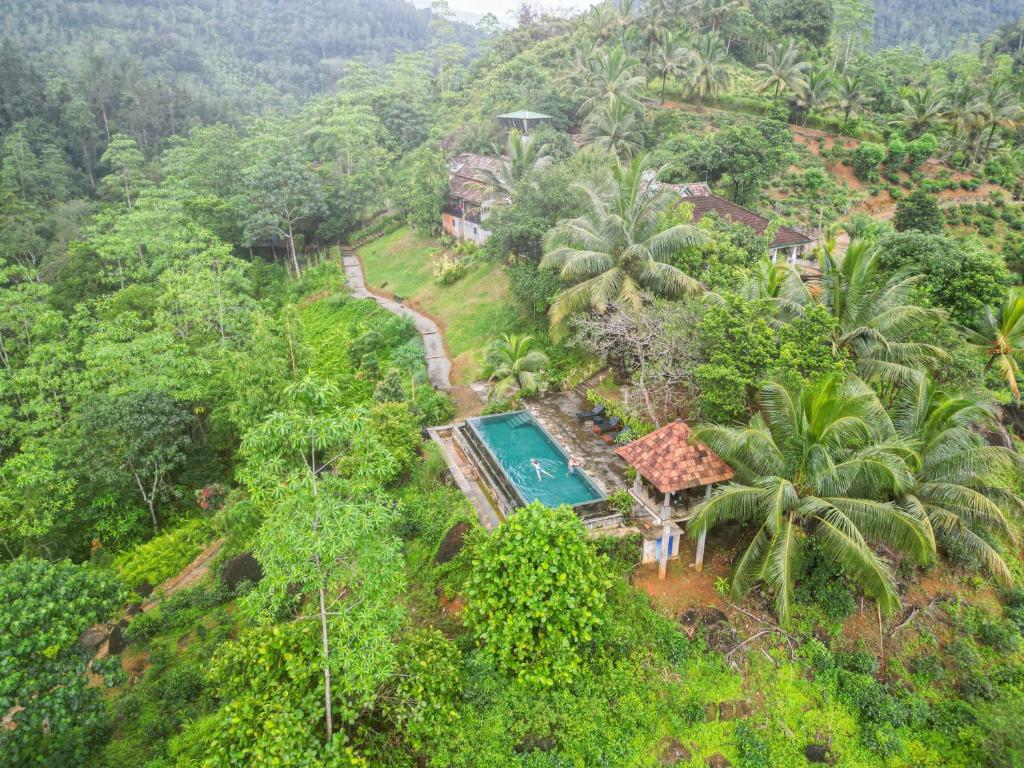
The villages bordering Sinharaja Rainforest offer some of the most rewarding bird photography locations in Sri Lanka. Travelling by four-wheel-drive jeep into these quiet hillside communities, guests reach areas where birds frequently gather near fruiting trees and feeding areas maintained by local lodges, creating ideal opportunities for observation and photography.
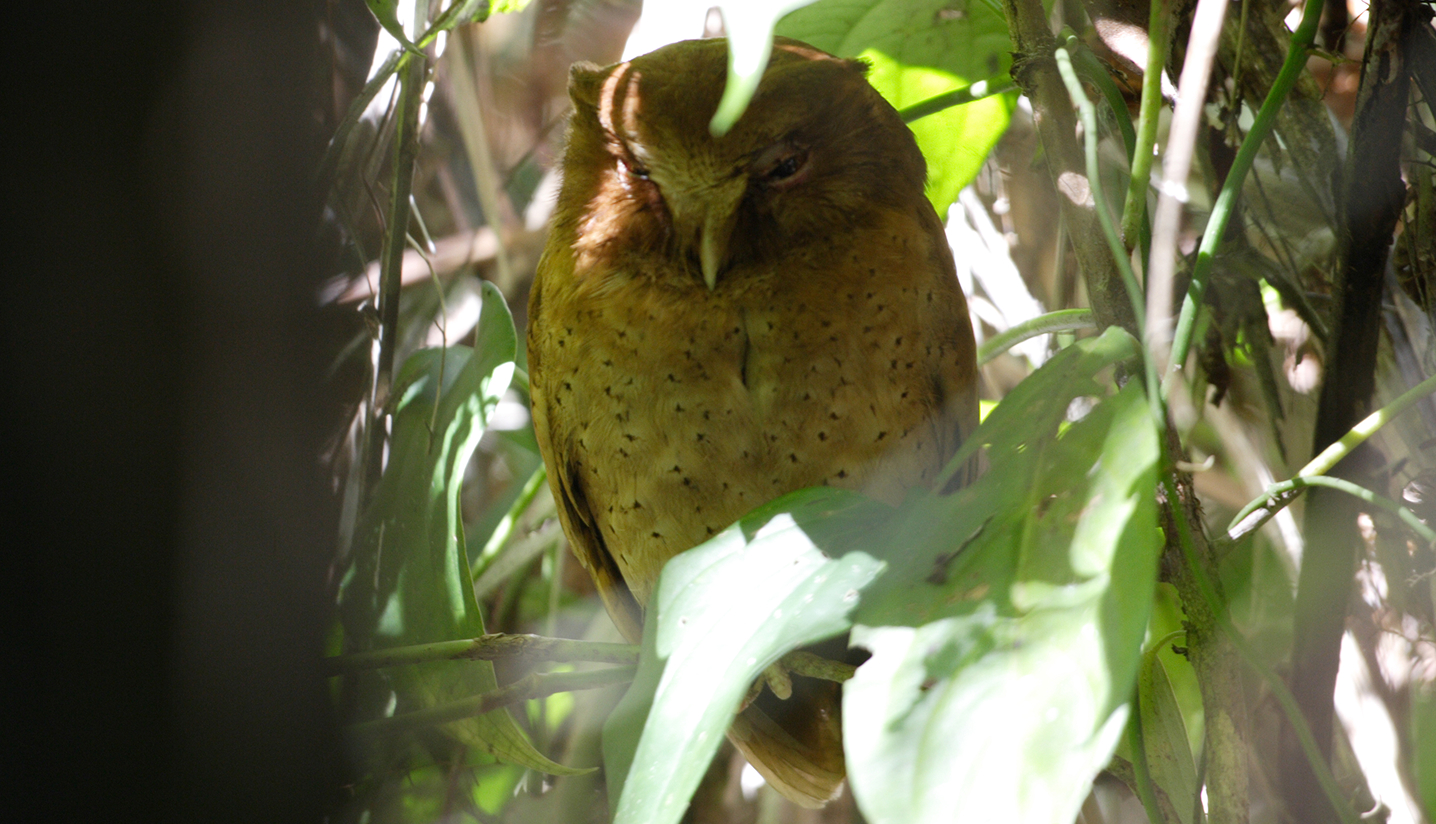
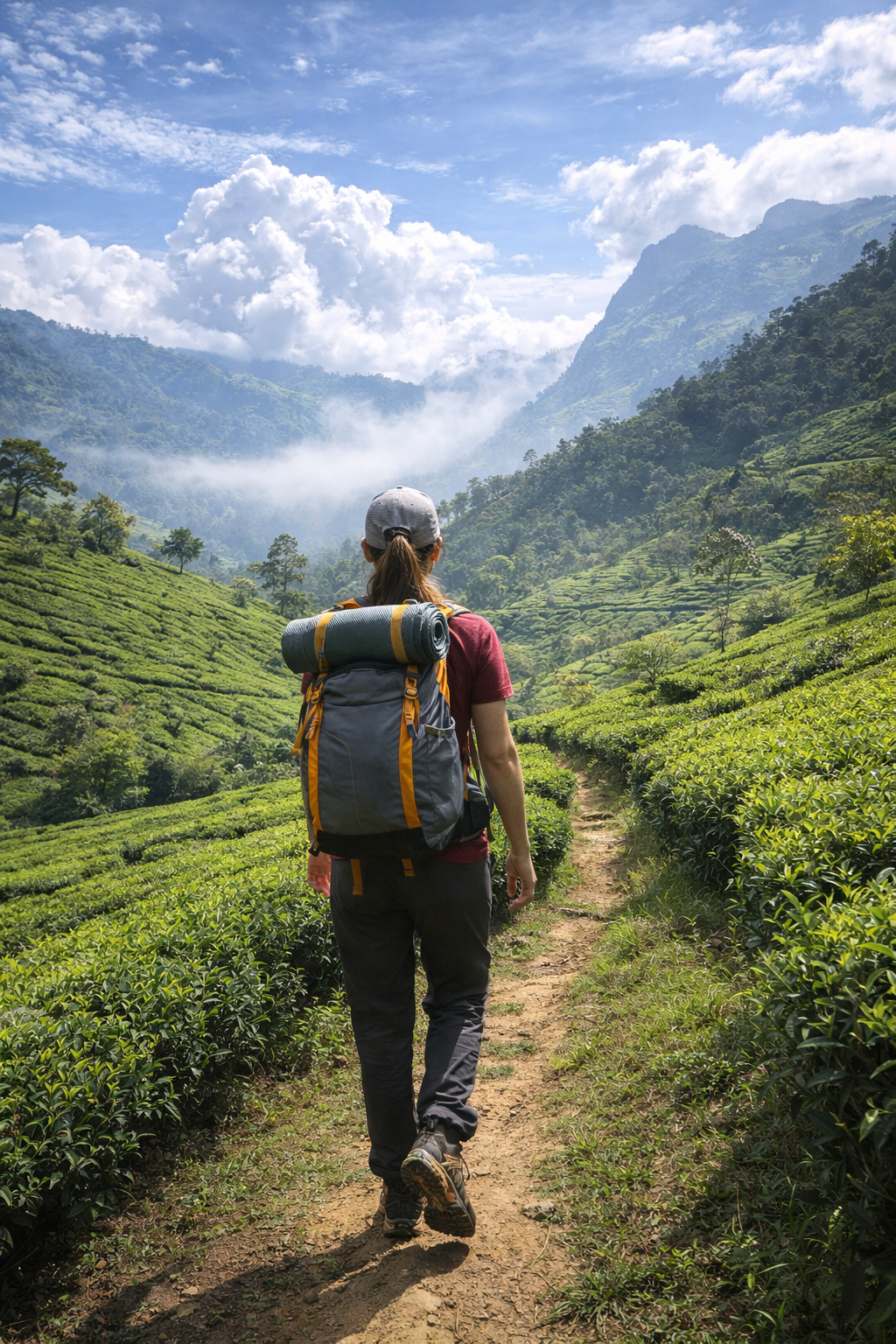
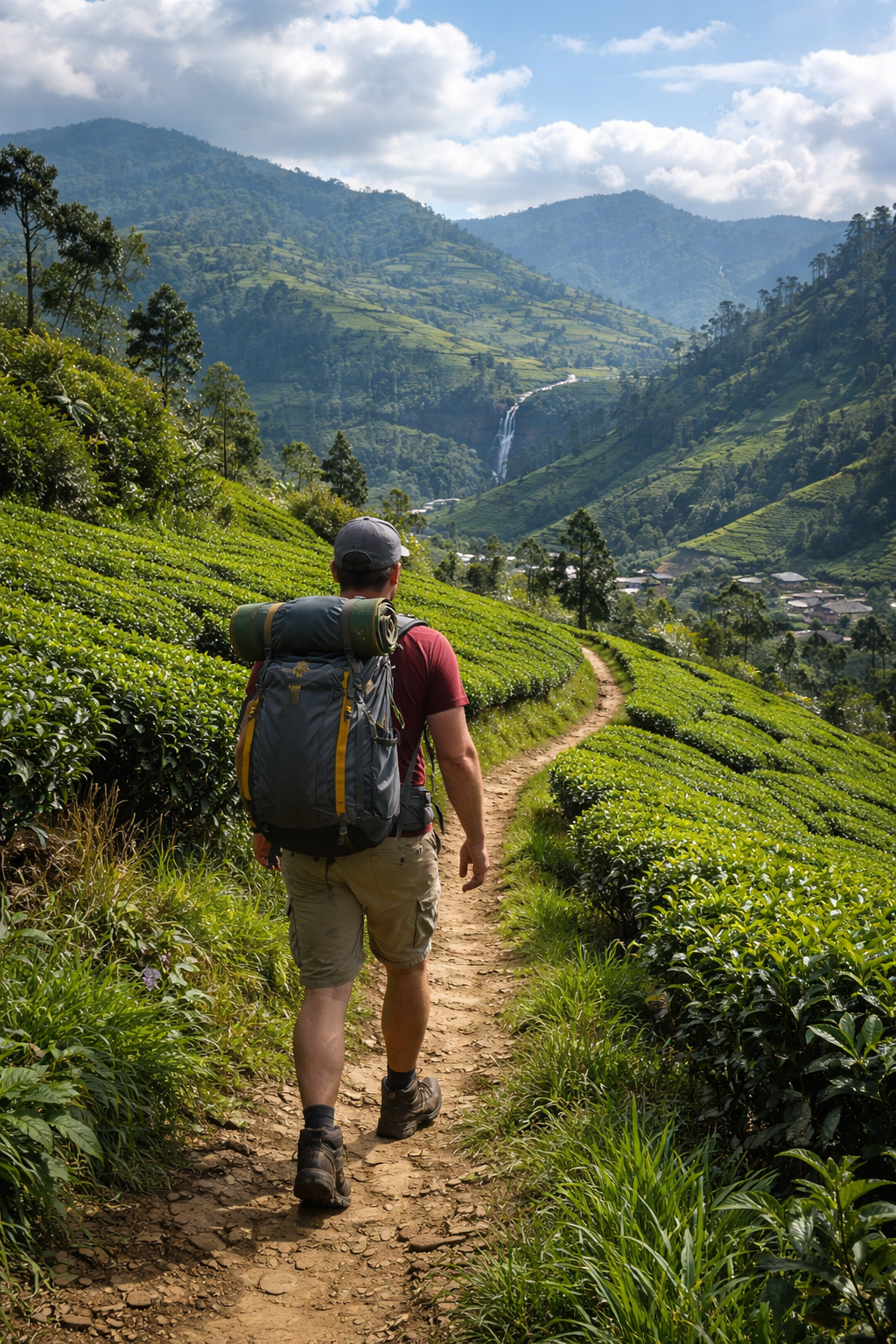
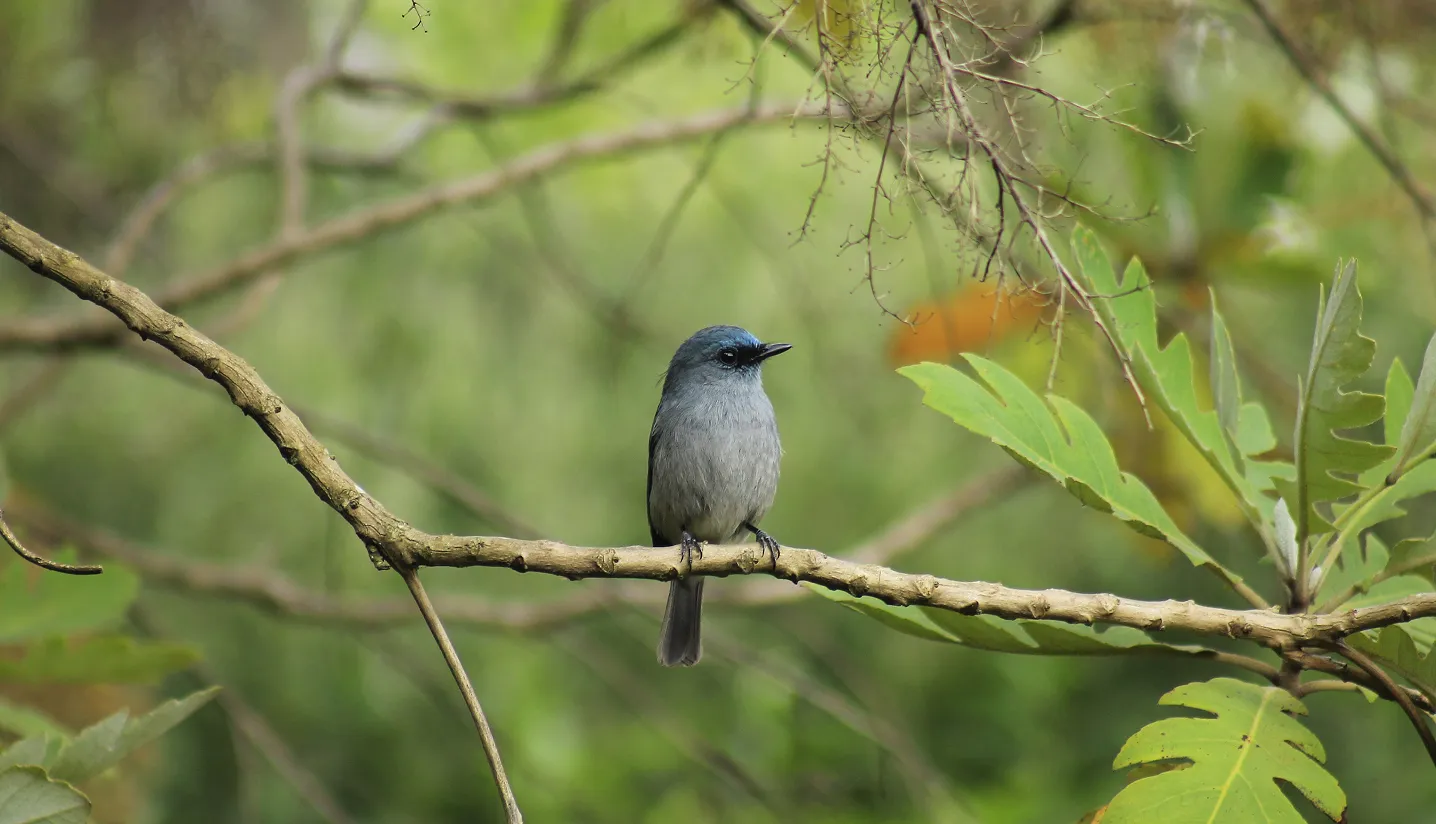
Among the remarkable species often seen here are the vibrant Sri Lanka Blue Magpie, the striking Red-faced Malkoha, the lively Sri Lanka Grey Hornbill and the elusive Sri Lanka Frogmouth. The experience is complemented by a warm cultural encounter as guests enjoy a traditional home-cooked lunch in a rural home overlooking the tea-lined hills that surround the rainforest.
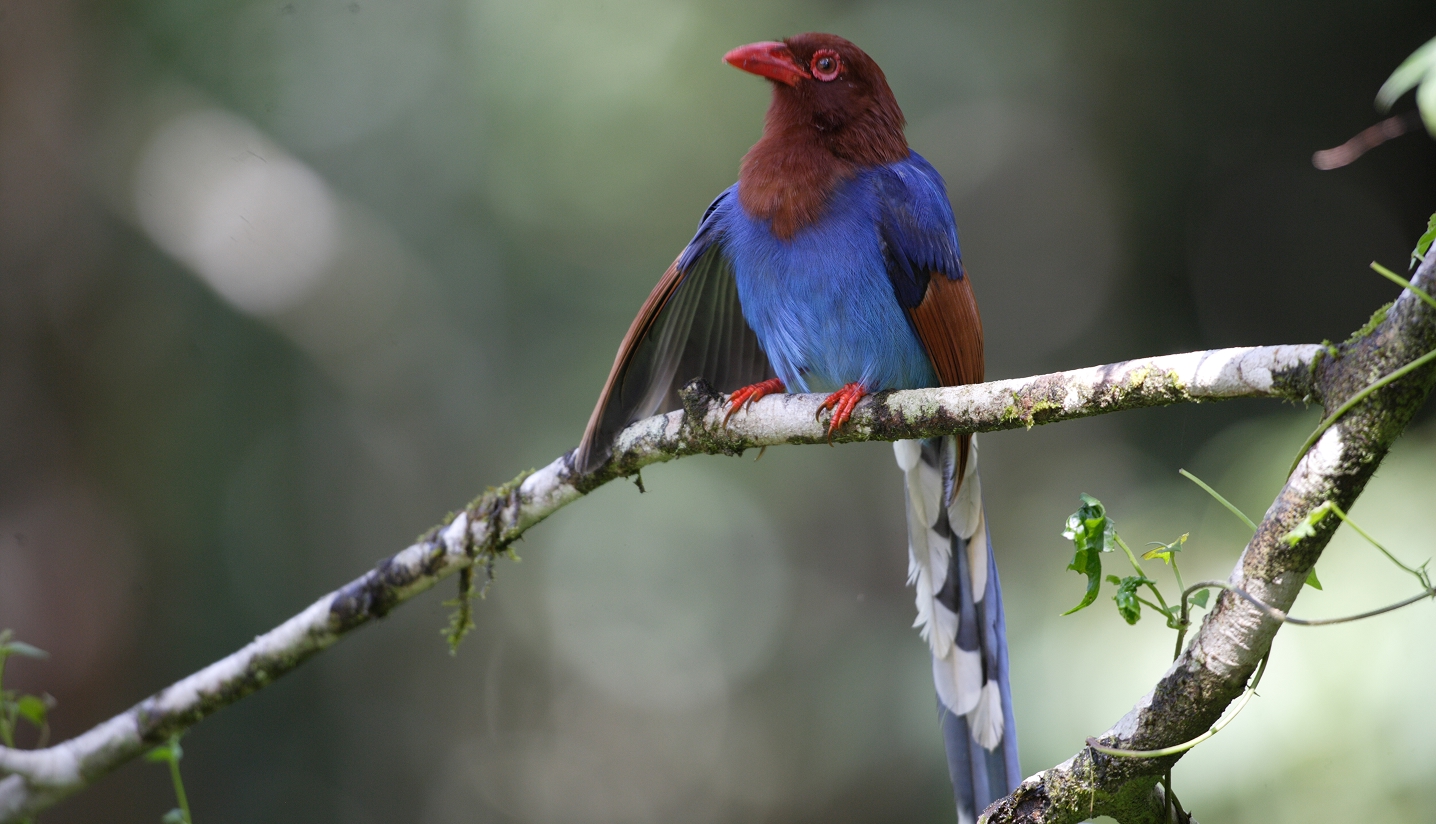
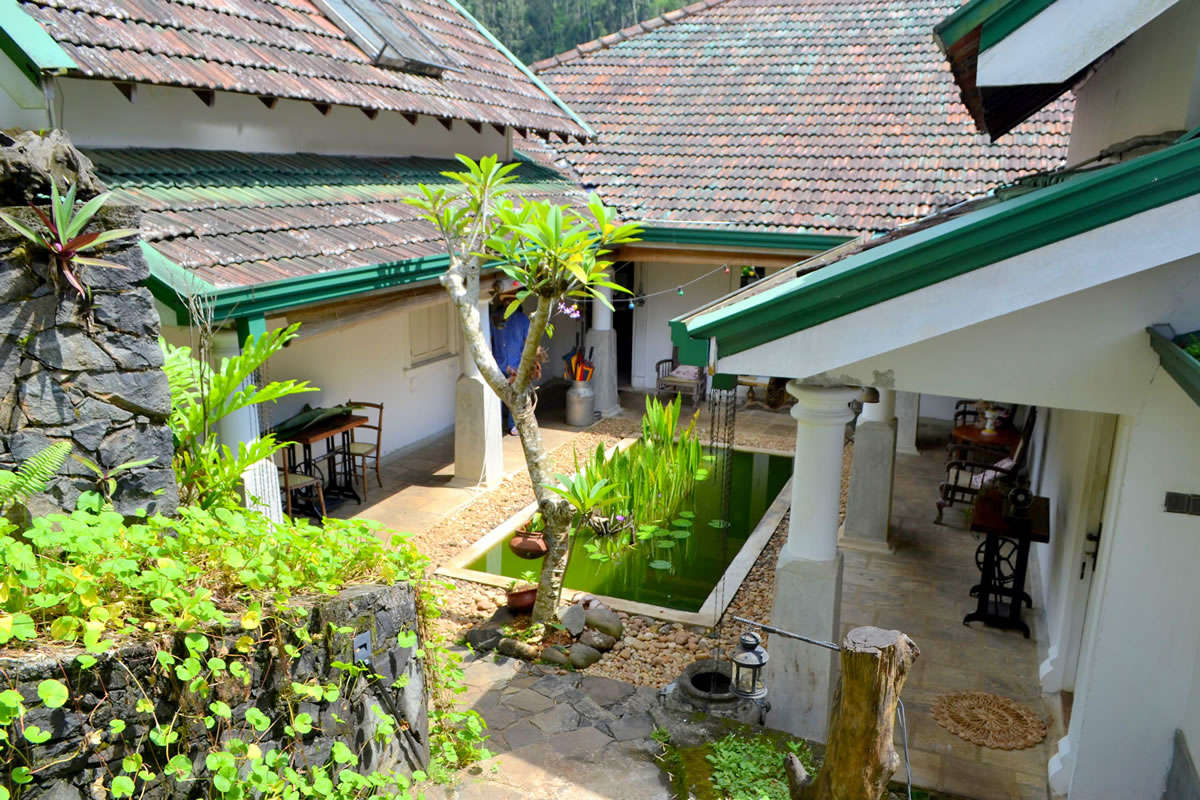
Today offers the opportunity to venture deeper into the ancient forests of Sinharaja, a biodiversity hotspot renowned for its remarkable concentration of endemic species. Walking along shaded rainforest trails, visitors enter a world of towering trees, dense foliage and the constant calls of birds echoing through the canopy.
Mixed-species bird flocks move through the forest, often including endemics such as the Sri Lanka Scimitar Babbler, Ashy-headed Laughingthrush and Sri Lanka Spurfowl. Overhead, troops of Purple-faced Leaf Monkeys move through the canopy while butterflies and reptiles inhabit the forest floor, revealing the extraordinary diversity of this protected rainforest.
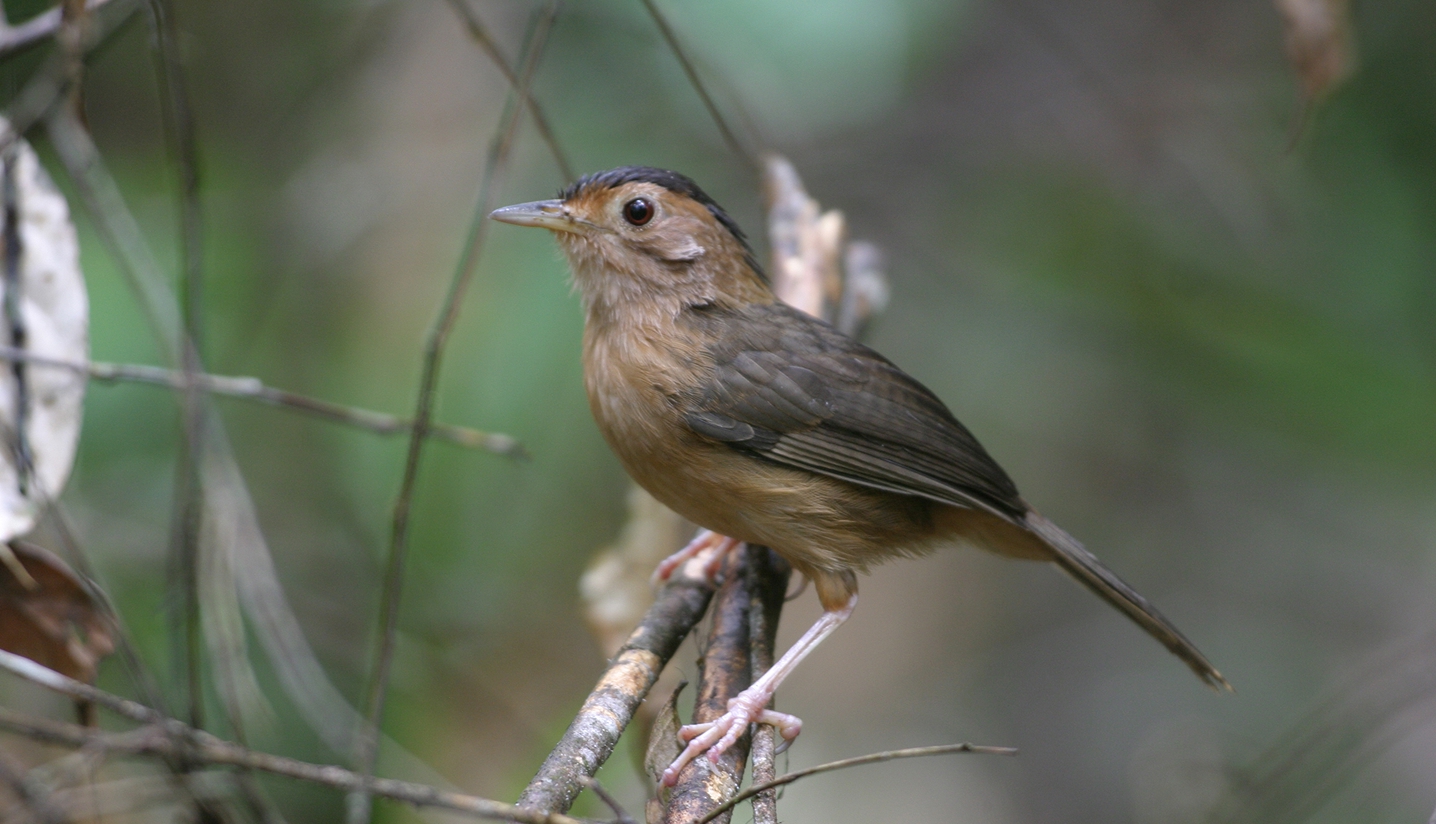
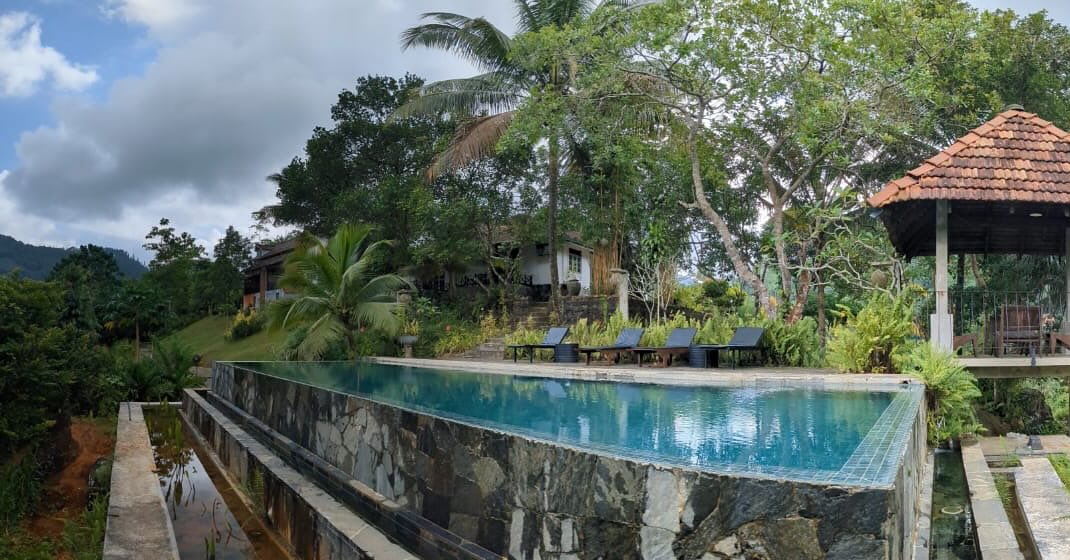
Enjoy one final morning observing birdlife along the edge of the Sinharaja rainforest, when the forest is often alive with activity. As the early light filters through the trees, birds move through the canopy while the surrounding hills reveal the beauty of Sri Lanka’s last great rainforest.
Later in the day, the journey continues toward the west coast and the historic seaside town of Negombo, where the final evening of the expedition offers time to relax beside the Indian Ocean and reflect on the extraordinary wildlife encounters experienced across the island.
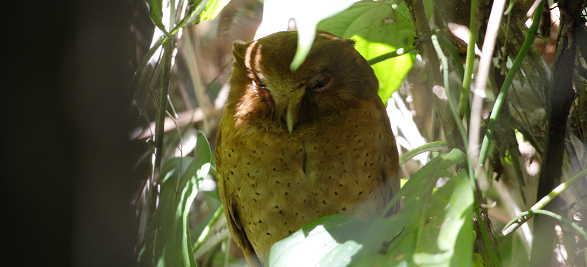

After days spent exploring Sri Lanka’s forests, wetlands, grasslands and rainforests, the final morning arrives at a slower pace along the coast of Negombo. The nearby lagoon and shoreline often come alive with early morning bird activity, offering a peaceful last glimpse of the island’s natural beauty.
As you prepare for your onward journey, the memories of the expedition remain vivid — tracking leopards through the forests of Wilpattu, watching elephants roam the plains of Udawalawe, photographing the vibrant birds of Sinharaja and witnessing the quiet sunrise over Mapakada Lake. These landscapes and encounters form a remarkable portrait of Sri Lanka’s wildlife and the ecosystems that sustain it.